
When Environment Becomes a Regulator of the Nervous System
We often think of stress as something internal — a product of our thoughts, habits, or emotional state. But neuroscience shows a broader truth: the environments we move through each day quietly sculpt our nervous system. Light, sound, texture, airflow, greenery, and spatial rhythm influence whether the body contracts in stress or settles into calm.
Materials, architecture, and sensory design send signals long before the mind has time to interpret them. A harsh corridor can elevate cortisol. A shaded courtyard can lower it. A noisy indoor space can fragment focus. A natural, open-air passageway can restore clarity.
Wellness stops being an individual effort and becomes an environmental experience.
This perspective reframes how we understand the places we inhabit. It positions design not as decoration, but as a biological input — one that shapes emotional stability, cognitive capacity, and long-term resilience.
At Miami Ironside’s Longevity District, this principle is woven into every pathway, courtyard, and material selection. The district is designed not simply to look good, but to help the nervous system regulate itself.
But to understand why environments matter, we must first look at how the nervous system responds to space.
The Physiology of Space: How the Body Reads Its Surroundings
The nervous system is constantly scanning for cues of safety or threat. Spaces that are crowded, stagnant, chemically harsh, or overly bright activate vigilance. Spaces that are open, green, breathable, and sensory-coherent activate calm.
For example:
Natural airflow reduces sensory overload and stabilizes heart rhythms.
Greenery lowers cortisol and signals safety to the brain.
Low-toxin materials prevent chemical stress that accumulates over time.
Soft light and natural textures help regulate emotional states.
These environmental signals may seem subtle, but subtlety is how the nervous system understands the world.
Small cues repeated daily become the architecture of long-term wellbeing.
Design becomes a physiological partner — shaping not only how we feel, but how we recover.
Stress, Space, and the Invisible Architecture of Daily Life
Chronic stress rarely comes from dramatic events. It emerges from micro-stressors embedded in our surroundings: artificial lighting, stagnant air, cluttered acoustics, chemical exposure, and environments that demand constant vigilance.
We don't lose calm in moments of crisis.
We lose it in the quiet friction of the environments we don’t notice.
Future-oriented districts reduce this friction through open-air walkways, leafy corridors, toxin-free materials, and spaces that encourage slow movement. These elements help the nervous system shift out of high alert and into a state where digestion, healing, focus, and creativity can occur.
When environments support regulation, people begin to feel better before they even know why.
Design as a Tool for Stillness
We shape the spaces we live in — but then those spaces shape us back.
The textures we choose, the airflow we allow, the greenery we integrate, and the materials we touch all become part of the body's daily messaging system. Over time, they influence how easily we return to balance after stress.
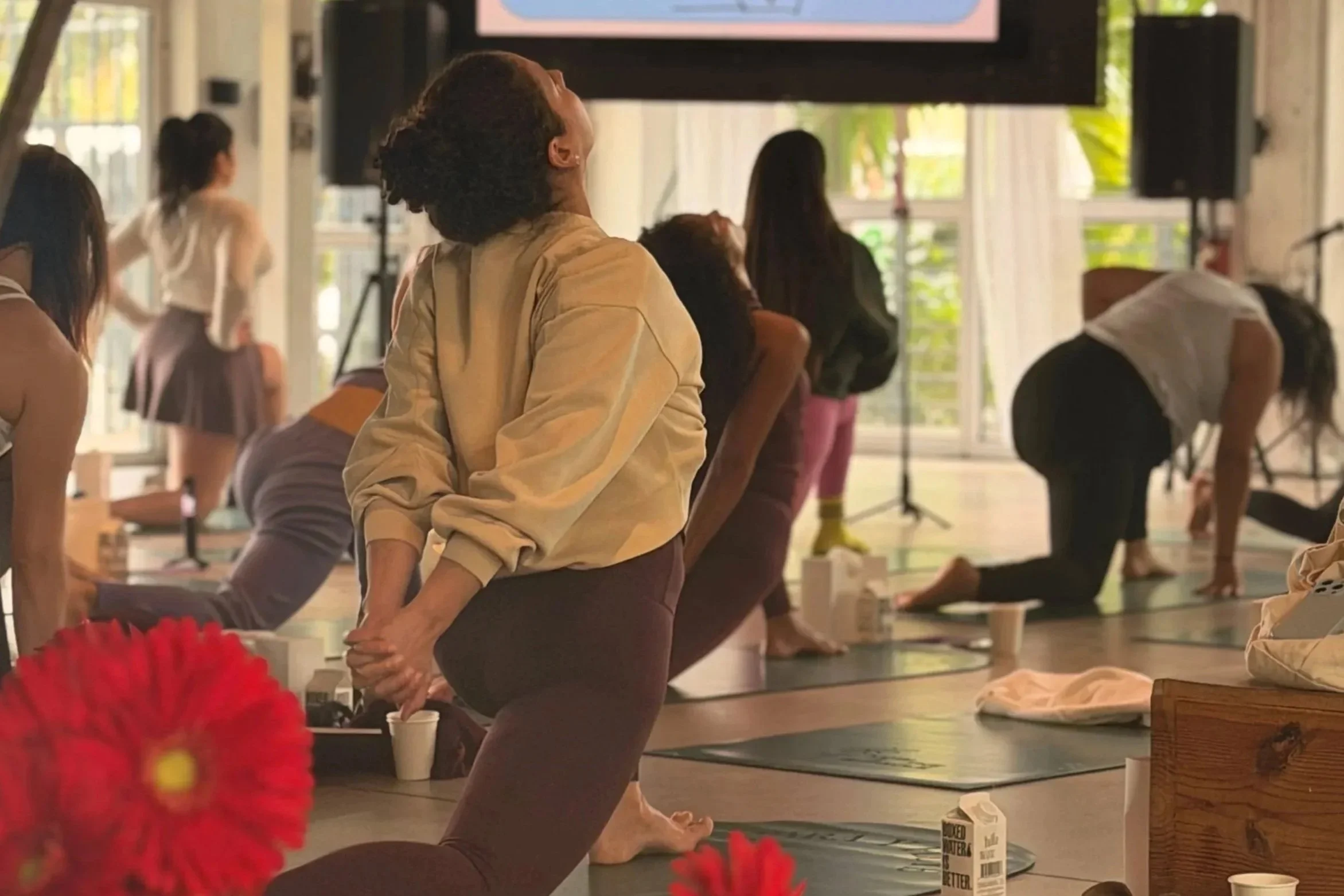
At the Longevity District at Miami Ironside, design functions as a form of nervous-system care. Every courtyard, breezeway, open-air studio, and toxin-free surface is crafted to guide the body toward stillness.
Because wellbeing is not only about what we do.
It’s about where we are.
📍 Miami Ironside: The Longevity District
A creative and regenerative urban village where design, wellbeing, and sustainability converge.