
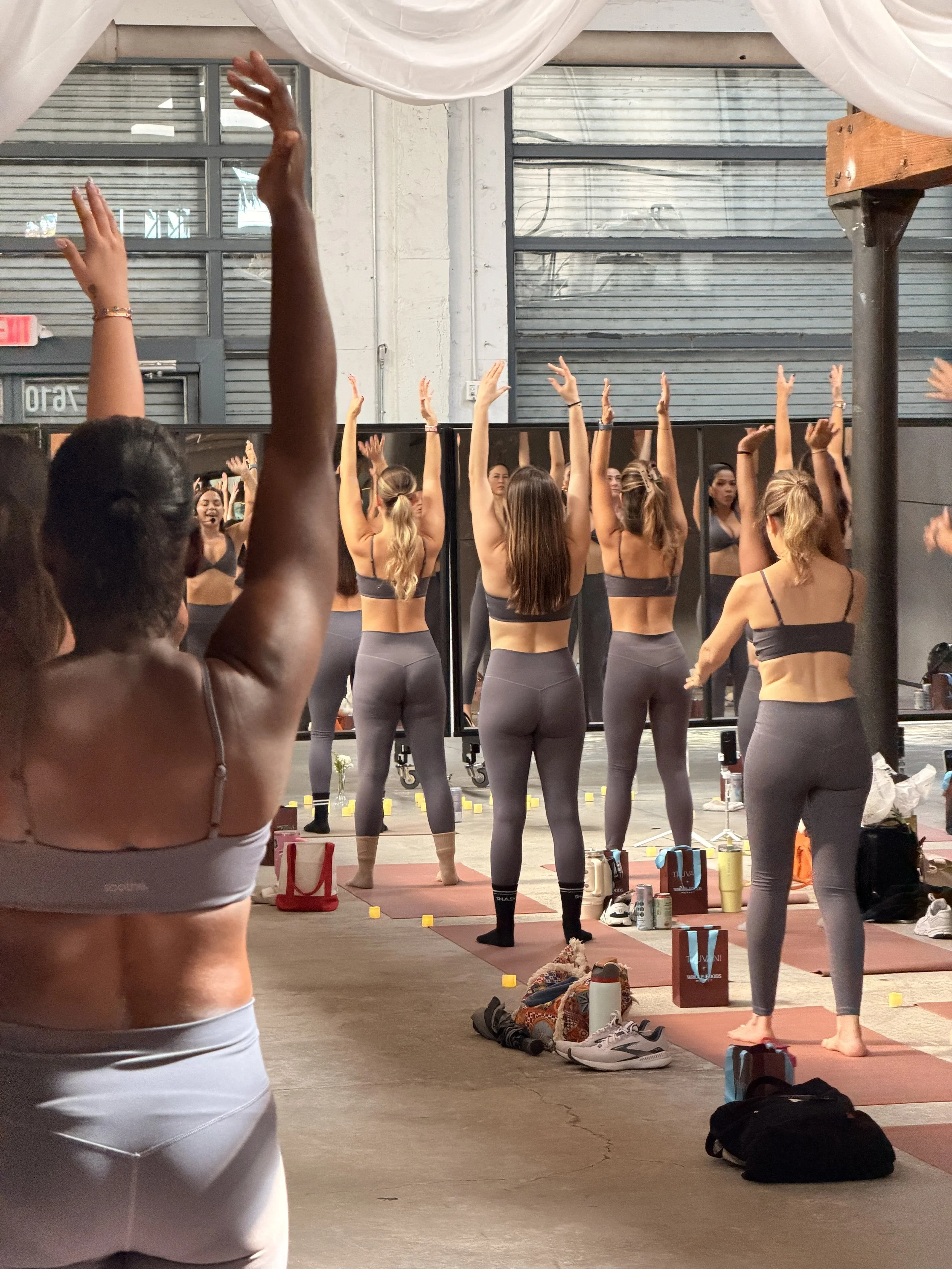
Why Our Environments Should Invite Us to Move
We often think of movement as something personal — a habit we must build through discipline, intention, or routine. But the truth emerging from neuroscience, environmental psychology, and urban design reveals something deeper: the spaces we inhabit determine how naturally, easily, and frequently we move.
Movement is not just an individual choice.
It is an environmental outcome.
Architecture, sidewalks, greenery, pathways, textures, and the flow of space shape whether the body feels invited to move or discouraged from doing so. A staircase in natural light is used more than an elevator hidden in a corner. A breezeway with trees inspires walking more than a corridor of fluorescent light. A shaded path encourages lingering. A rigid or stagnant space promotes stillness — the unhelpful kind.
This reframes movement as something designed into daily life, not added on top of it.
To understand why movement matters so deeply, we must look at how the body responds to its environment.
The Physiology of Movement: Why Motion Regulates the Body
The human body was built for motion. Gentle, frequent movement improves glucose regulation, supports lymphatic flow, reduces inflammation, and increases cognitive clarity. Even small bouts of walking reshape hormonal balance, lowering cortisol and harmonizing circadian rhythm.
For example:
Walking increases blood flow to the brain, improving focus and emotional regulation.
Natural movement outdoors reduces sympathetic activation and stabilizes mood.
Changing posture throughout the day prevents stagnation in the nervous system.
Gentle motion stimulates the vagus nerve, supporting digestion and recovery.
Movement in nature increases BDNF, enhancing cognitive flexibility.
These benefits don’t require athleticism.
They require opportunity — created by the environment.
When spaces make movement the easiest choice, the nervous system, metabolism, and mood all shift toward resilience.
The Hidden Cost of Sedentary Spaces
Modern environments often discourage movement.
Rigid interiors, static seating, poor walkability, artificial lighting, and car-dominated layouts create a kind of physical inertia that compounds over time. The nervous system receives fewer regulating signals. The body loses opportunities for circulation and recovery. Stress accumulates quietly.
We don’t stop moving because we lack motivation.
We stop because environments no longer invite the body to move.
Small changes produce profound effects: a shaded walkway, a bench that encourages posture shifts, a courtyard designed for slow exploration, a path that naturally guides the feet forward.
Movement becomes effortless, not forced.
Design as a Catalyst for Daily Motion
When environments integrate greenery, airflow, natural light, walkable corridors, and sensory coherence, the body begins to move instinctively. Motion becomes part of the architecture, not an item on a to-do list.
Movement stops being an activity.
Movement becomes a rhythm.
Districts that embrace this philosophy transform wellbeing at scale.
A single inviting walkway can inspire hundreds of micro-movements a day.
A courtyard with natural textures can regulate stress before people even realize they are moving differently.
A clean, toxin-free culinary environment can encourage a walk after a meal instead of a rush back to a desk.
Movement becomes a form of medicine built directly into the landscape.
Movement as a Daily Ritual
We shape environments, and then they shape how we move — and how we feel.
Spaces that support motion enhance resilience, clarity, emotional stability, digestion, and long-term health.
Movement is not an “extra.”
Movement is a biological requirement — one that environments can either suppress or awaken.
Wellbeing grows not from intensity, but from movement woven into the daily flow of life.
Movement becomes medicine.
Spaces become the prescription.
📍 Miami Ironside: The Longevity District
A creative and regenerative urban village where design, wellbeing, and sustainability converge.