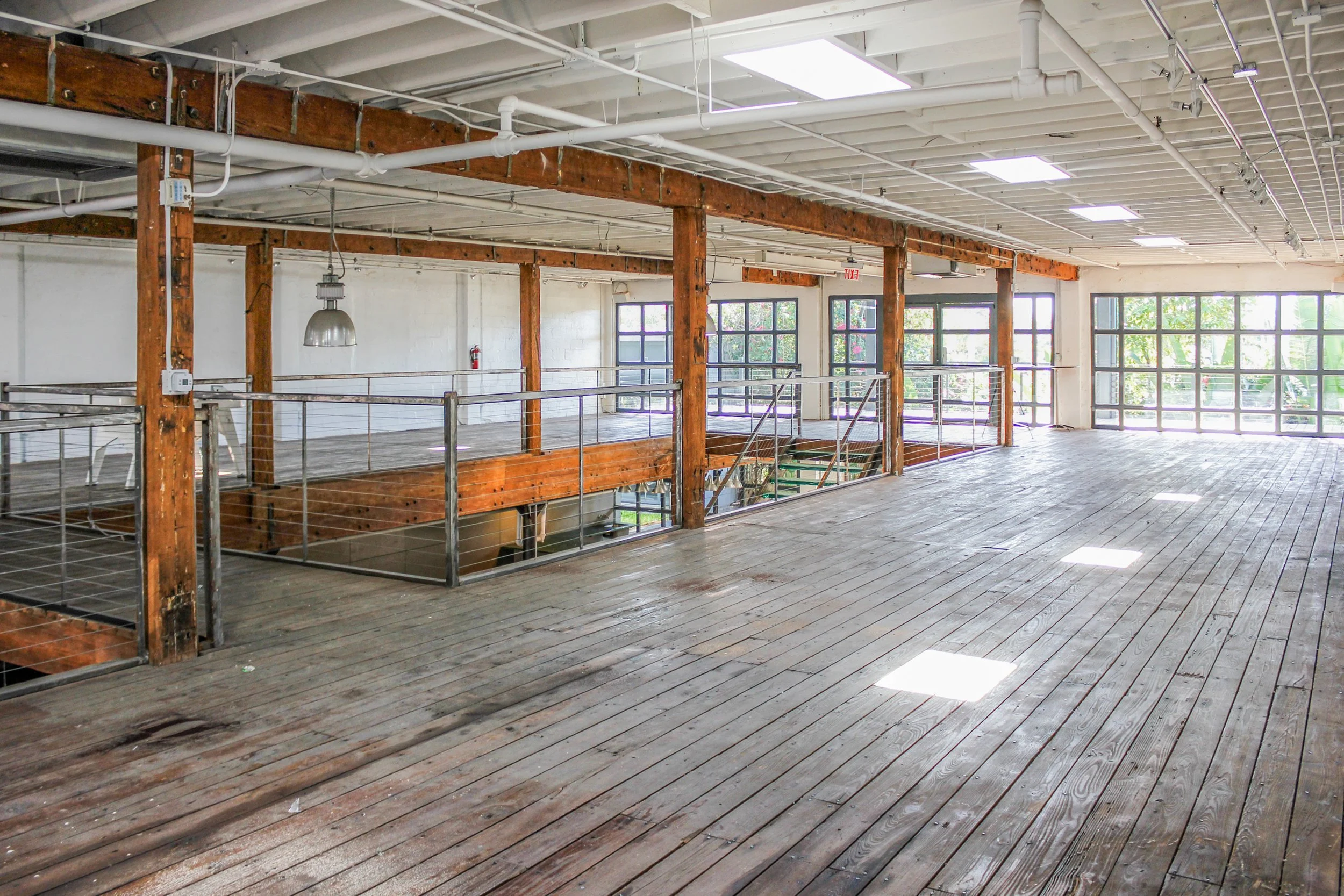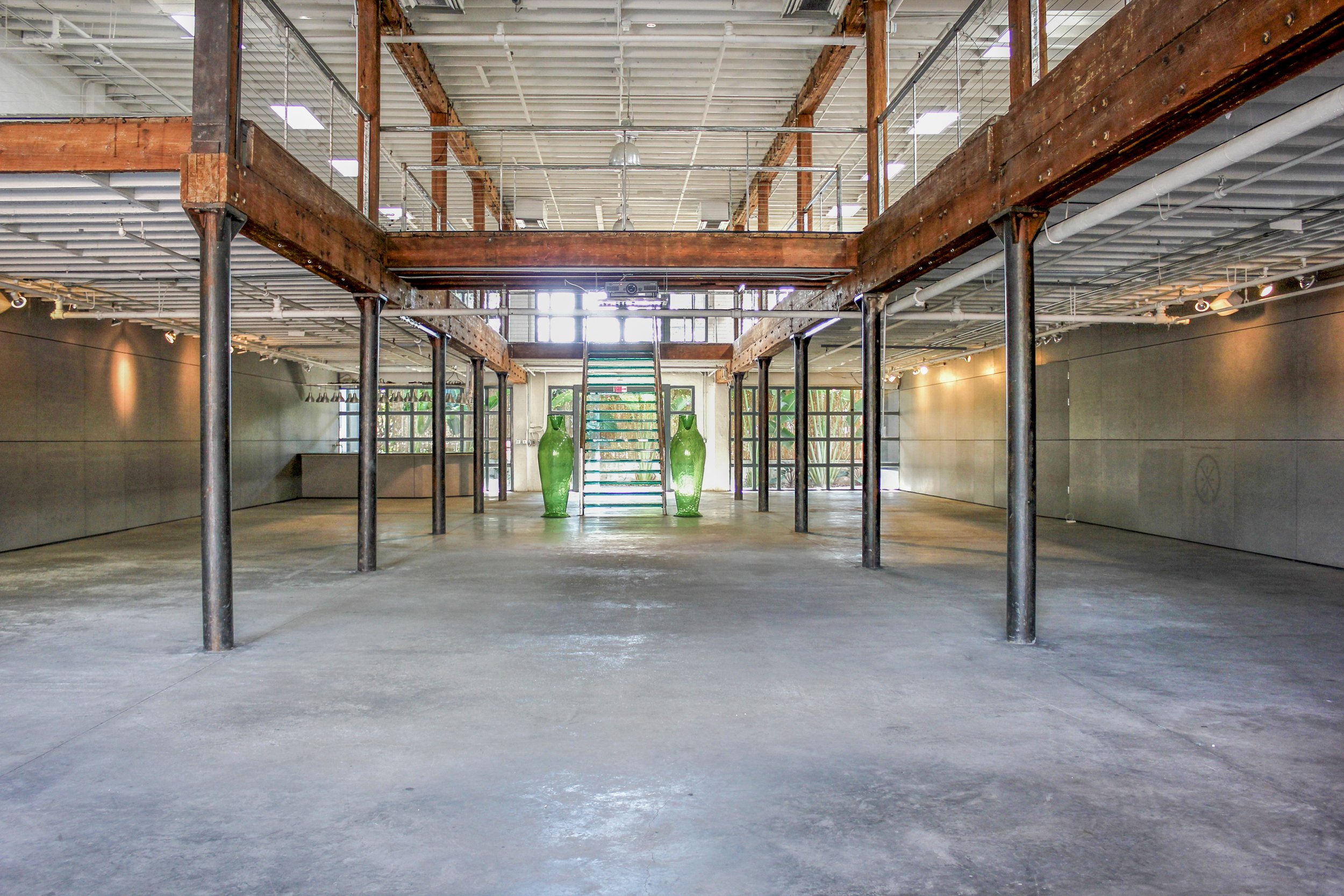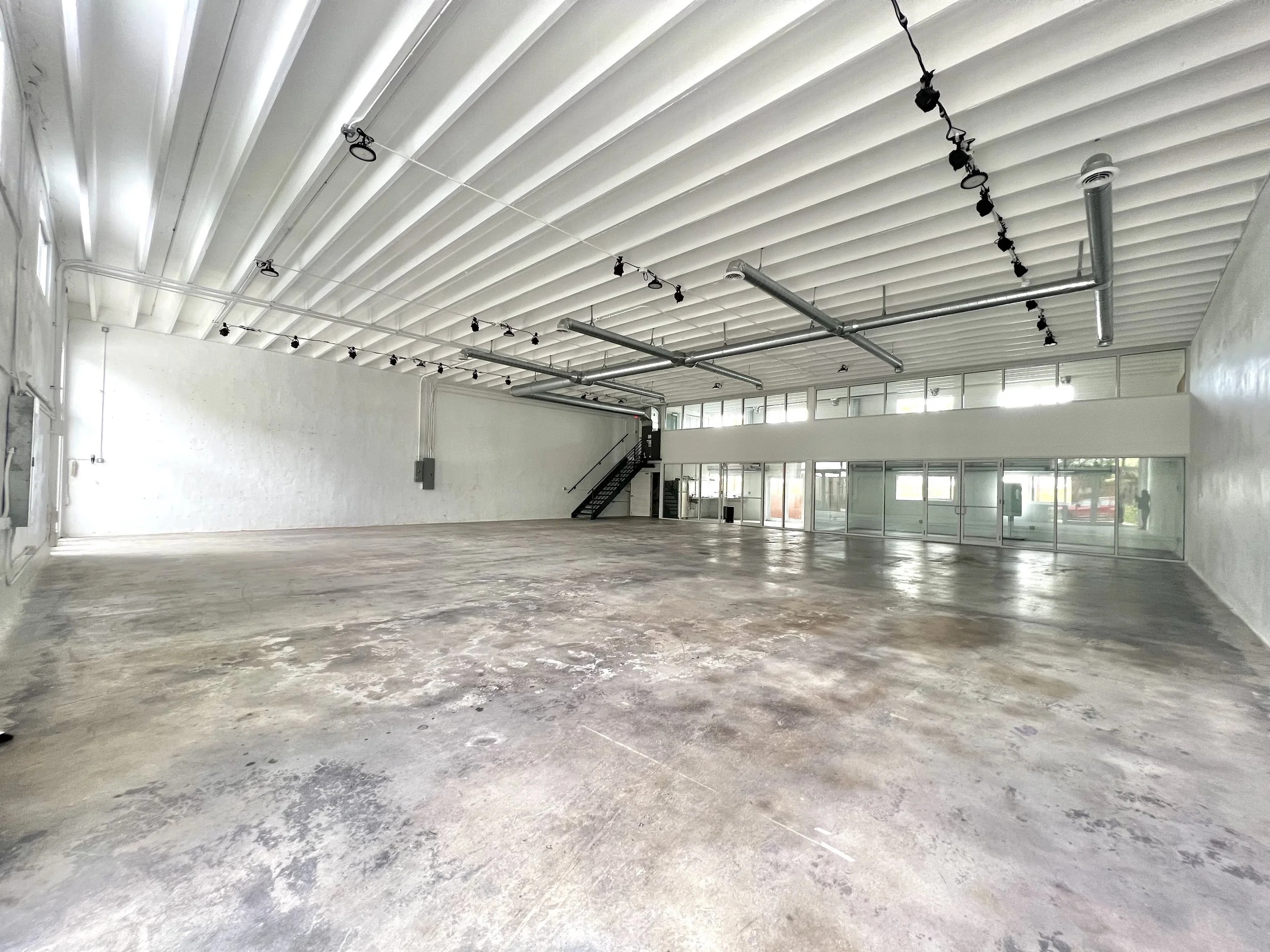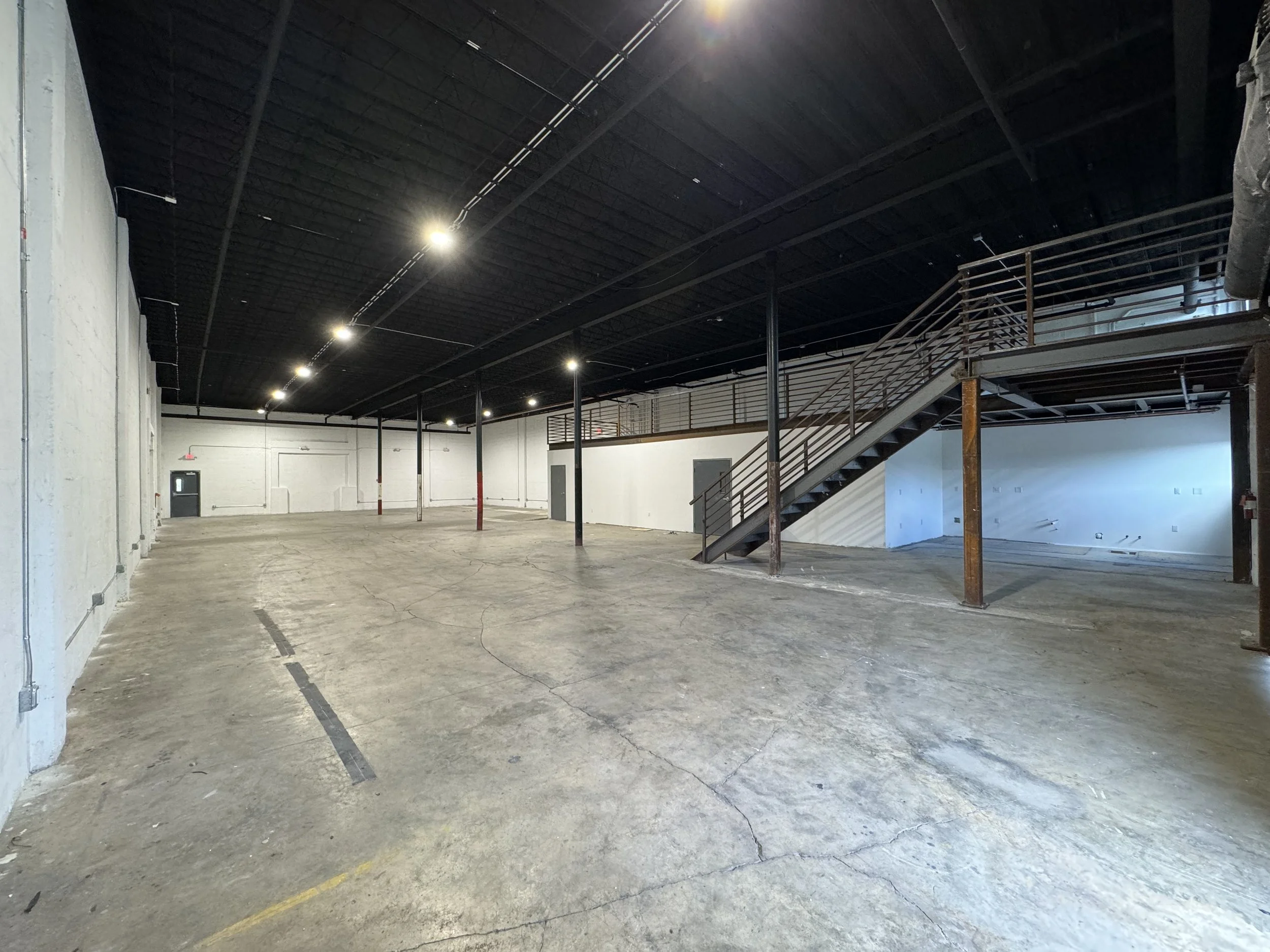
Designing for Future Generations: Wellness Beyond Our Lifetime

How does the built environment shape future health?

We often think of wellness as something personal — shaped by our routines, our choices, our lifespan. But the truth emerging from environmental science, urban design, and epigenetics is far broader: the environments we create today will influence the biology, behavior, and resilience of future generations.

From the materials in our buildings to the airflow in our pathways, from greenery placement to culinary environments, design carries a long memory. It encodes health into space, shaping how future bodies breathe, focus, regulate stress, and experience daily life.

Design becomes inheritance — a form of wellness passed forward.

This shift changes everything. It reframes design from aesthetic preference to physiological architecture. It asks us to consider not only how we live, but how our choices will support or strain the people who will come after us.

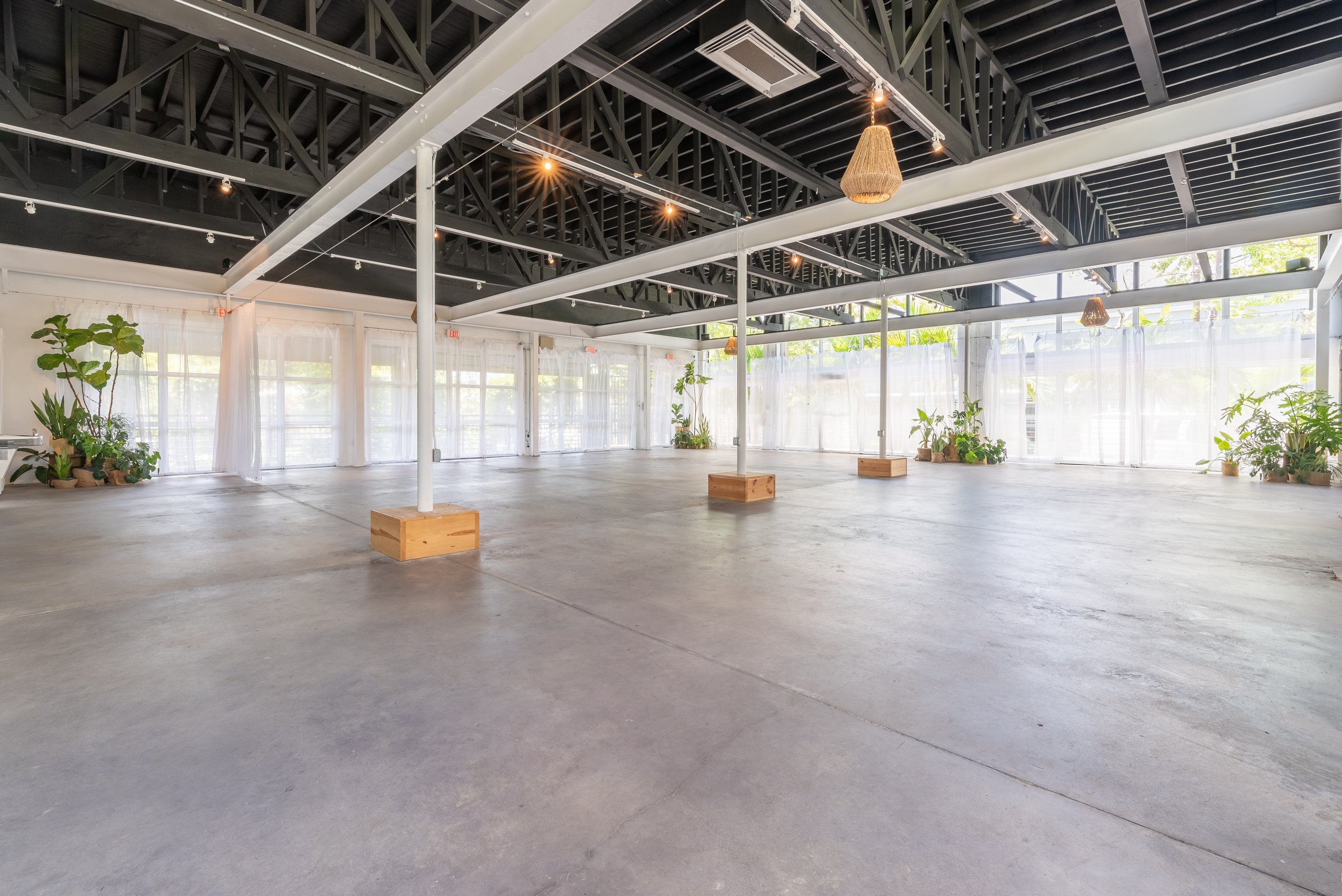
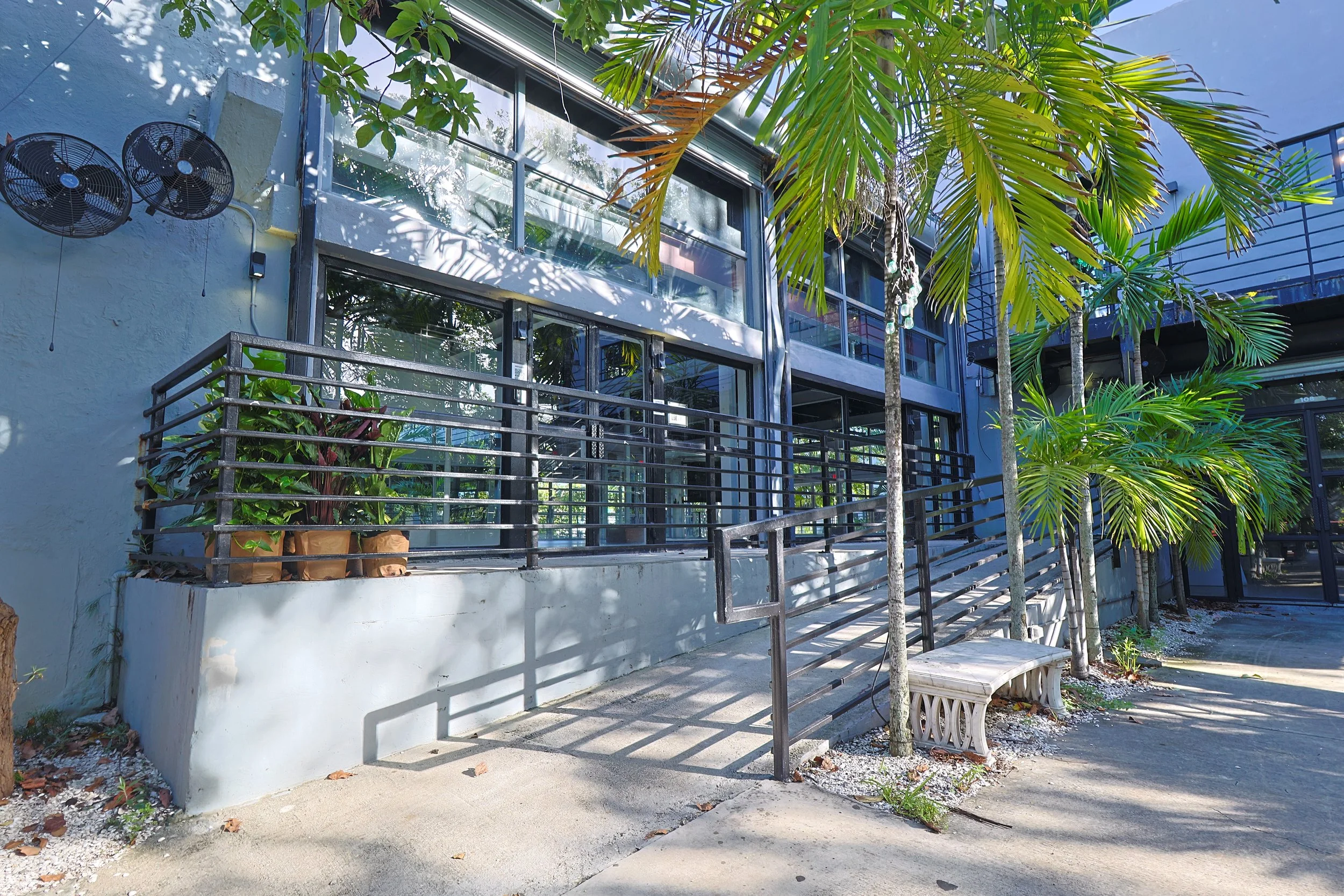
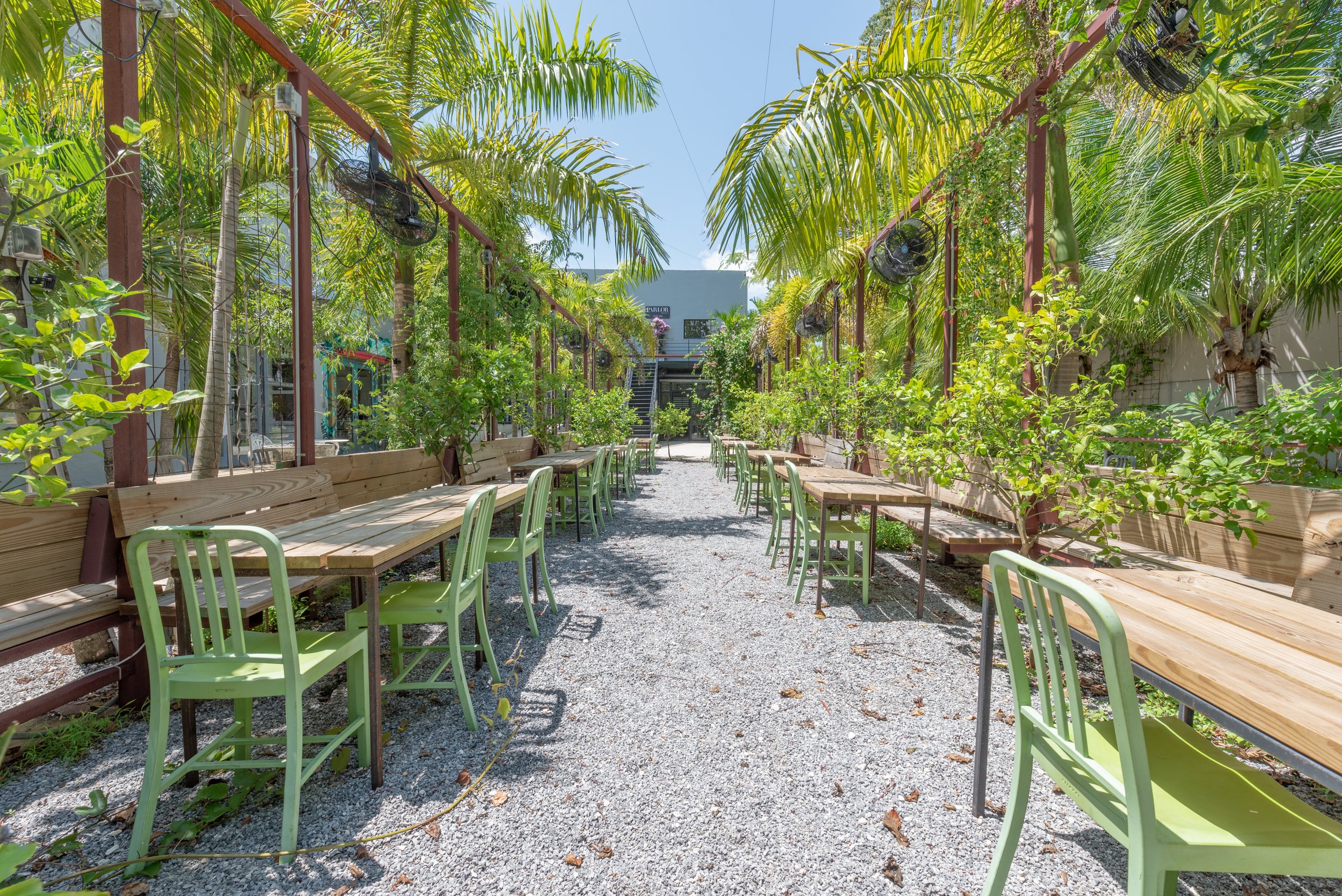
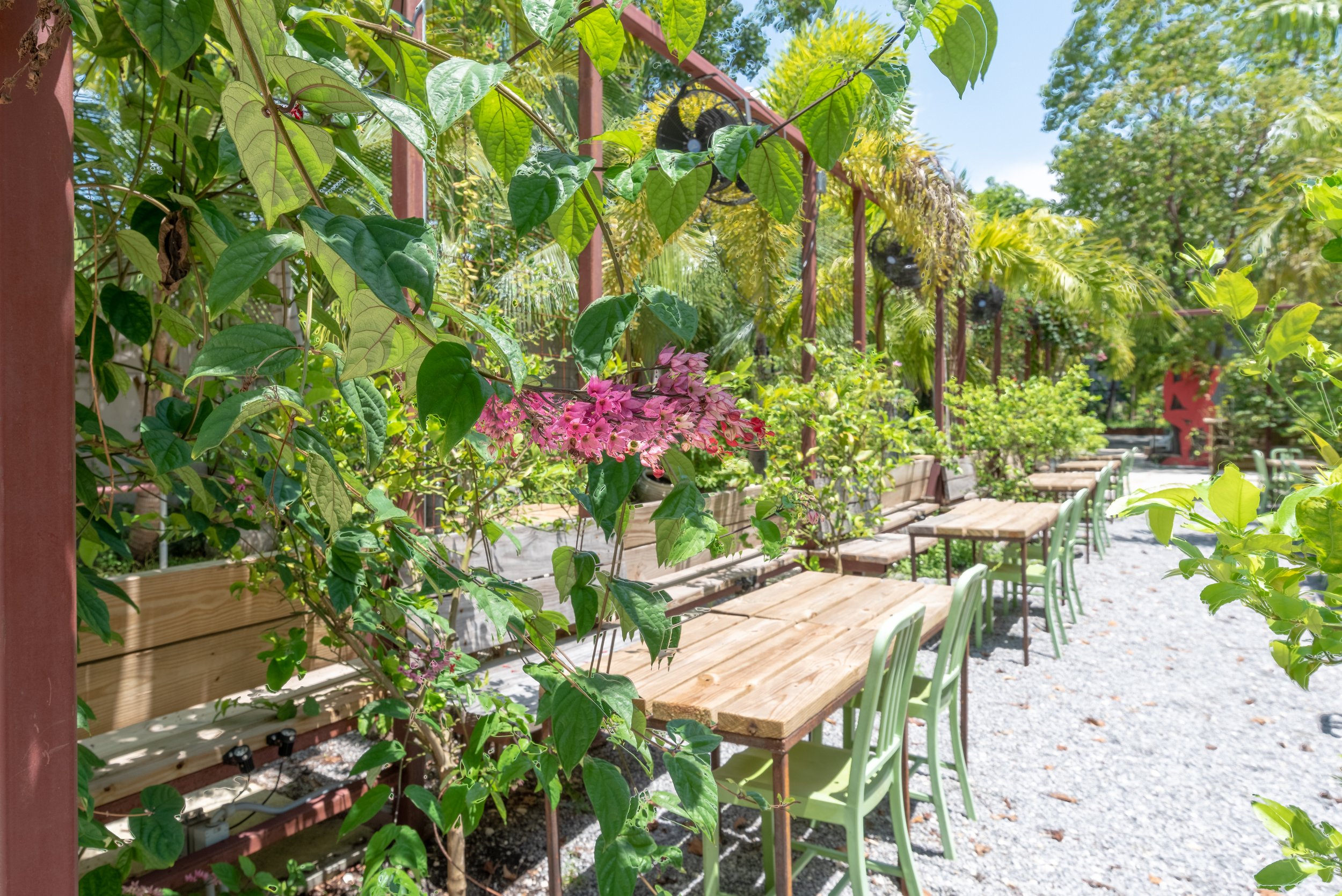
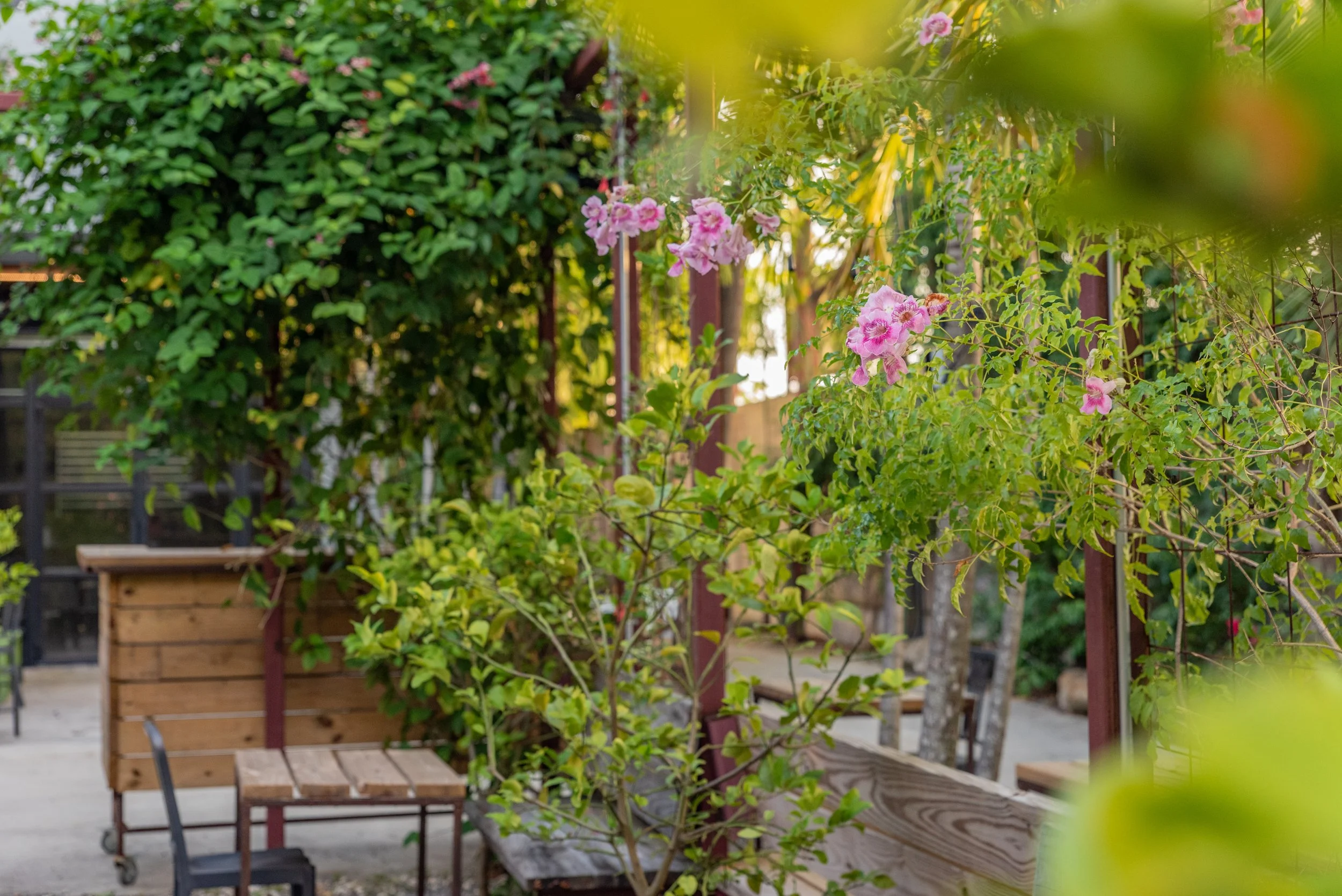
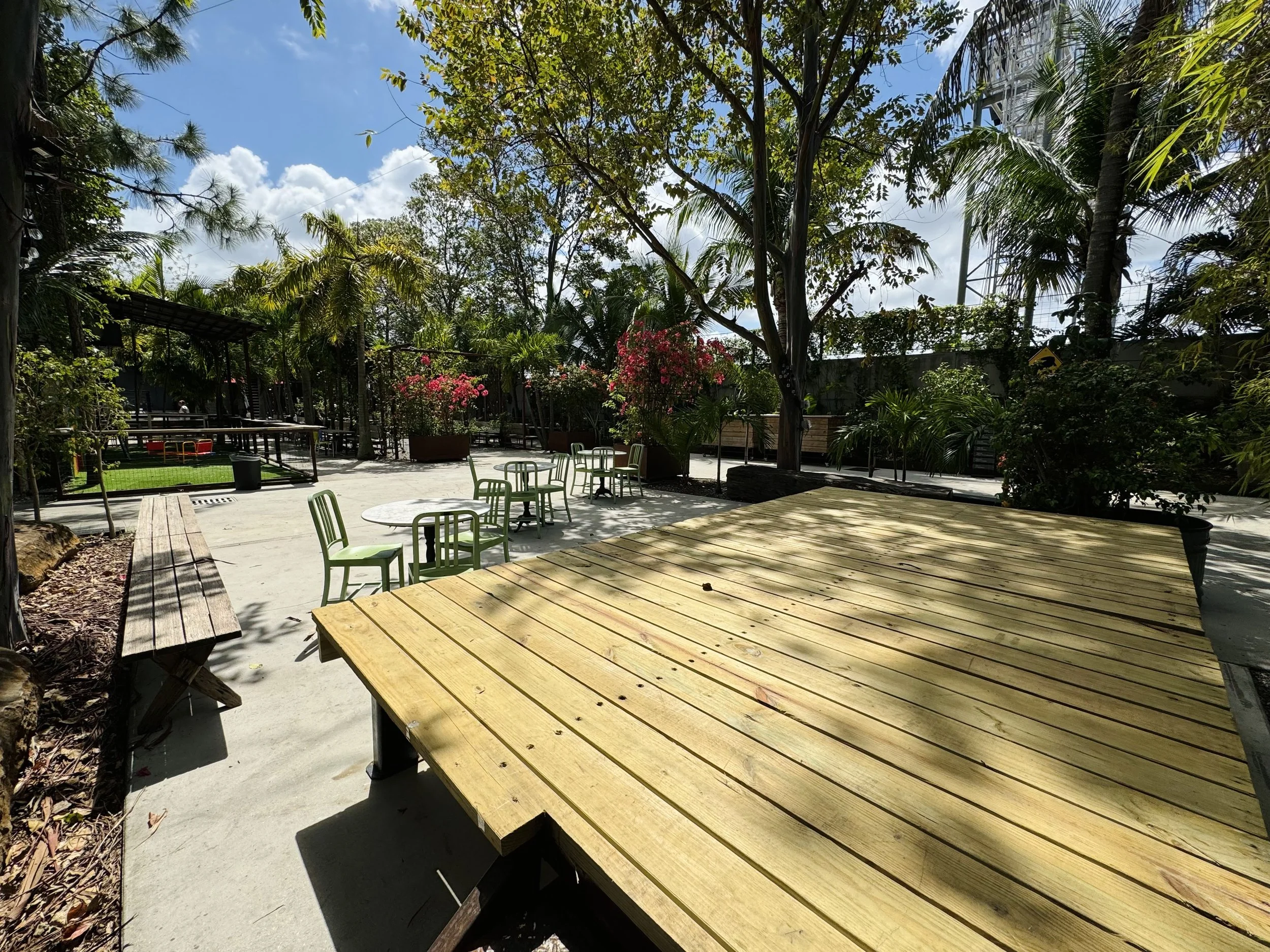
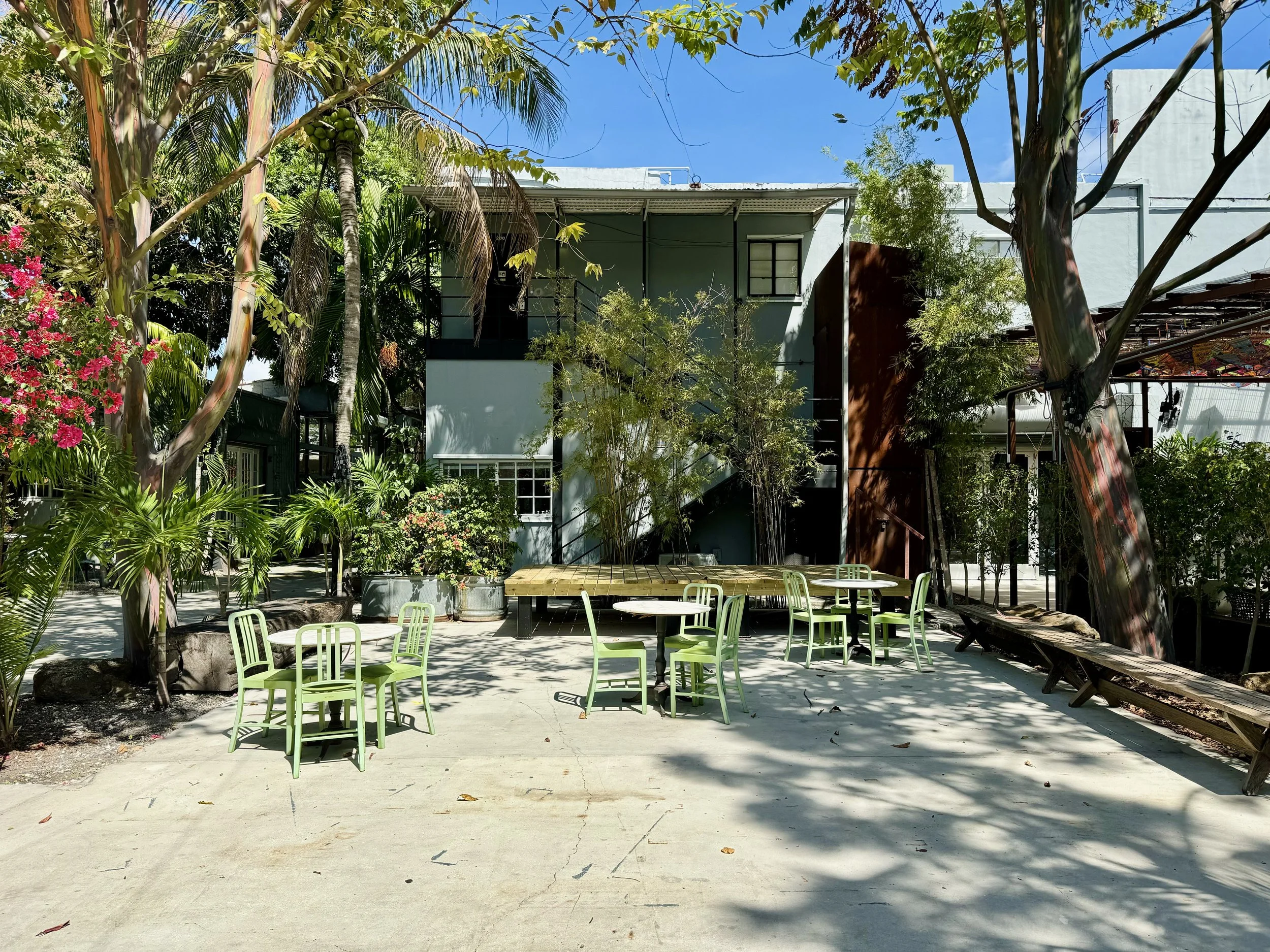
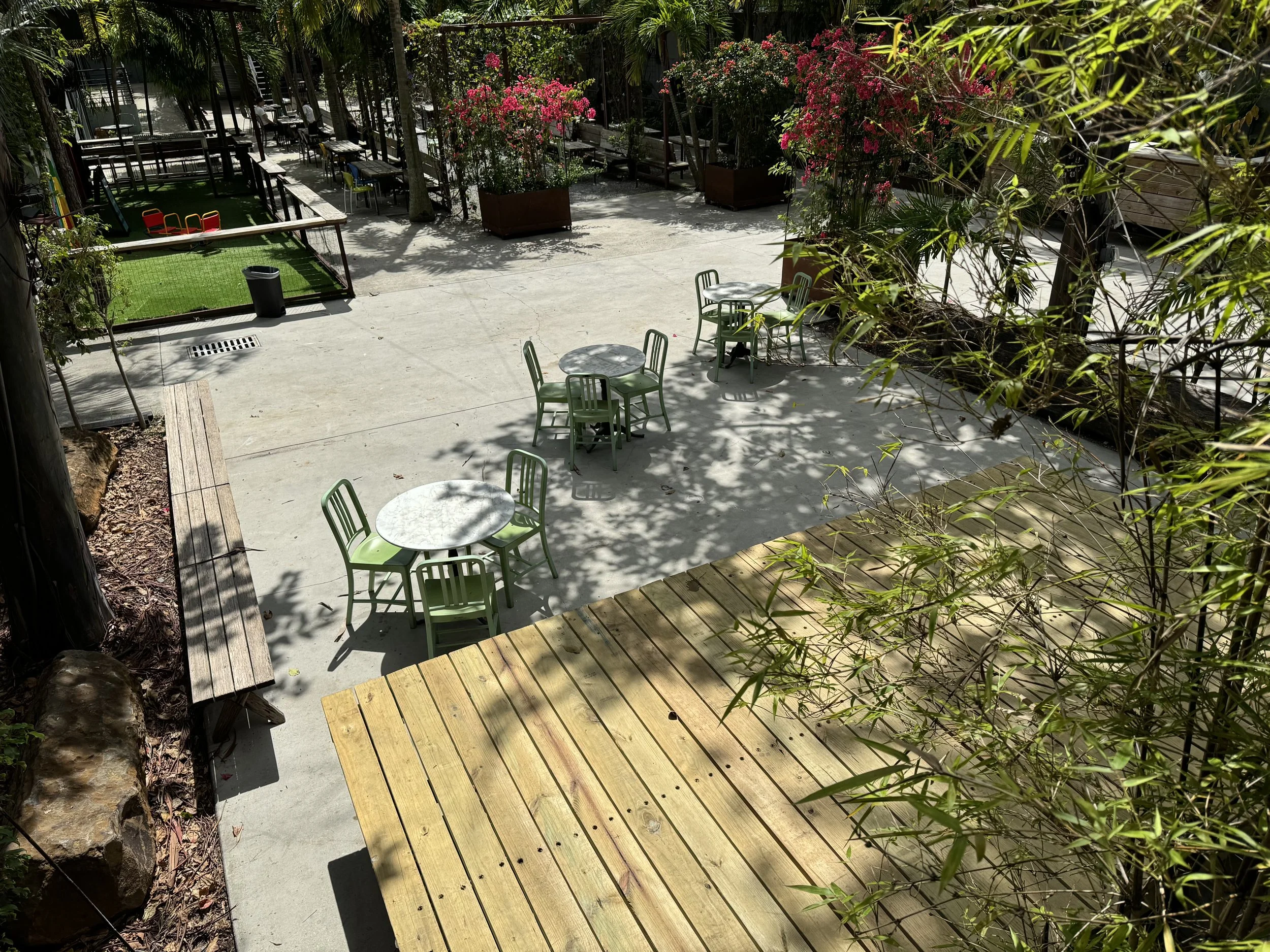
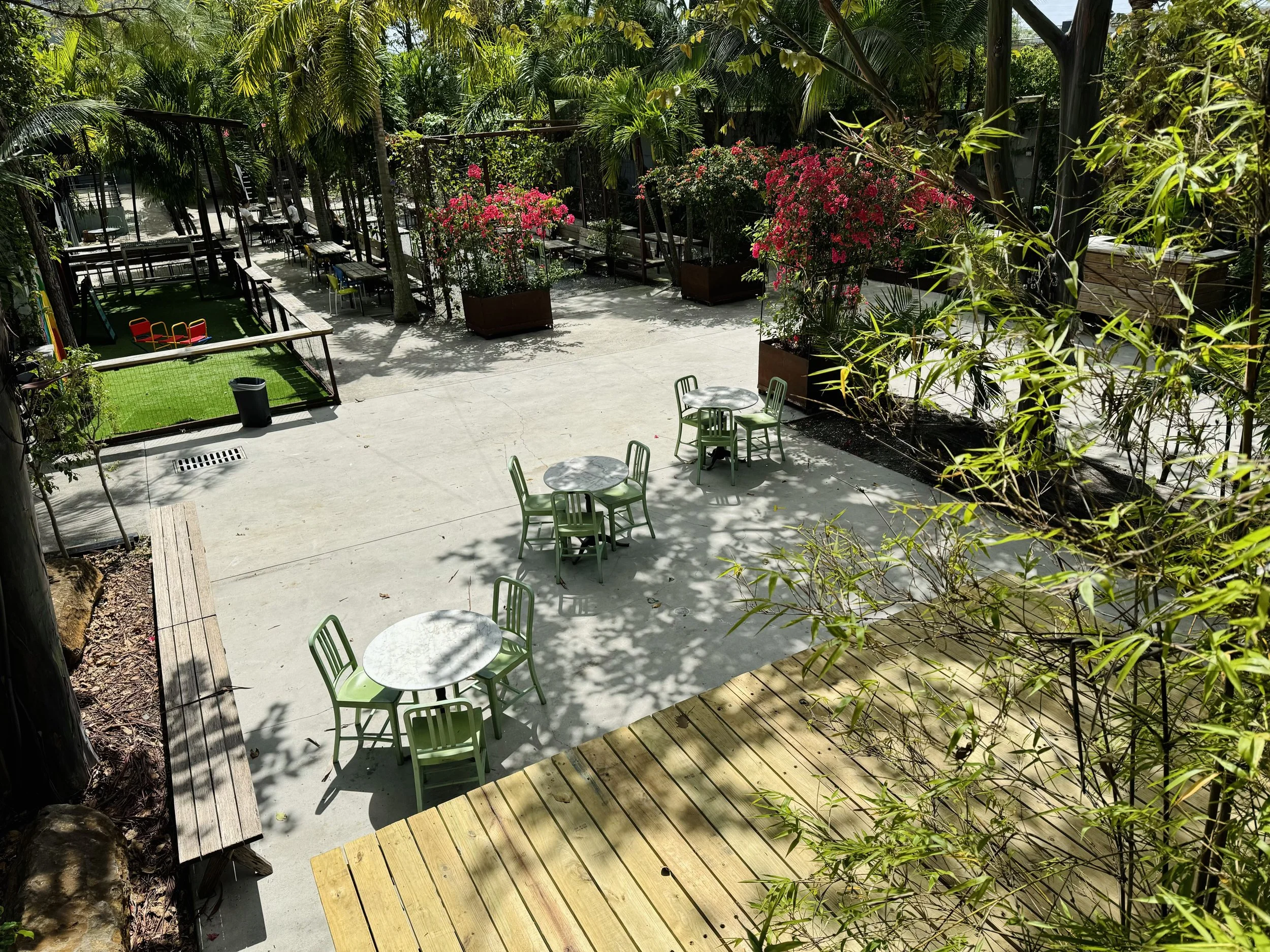
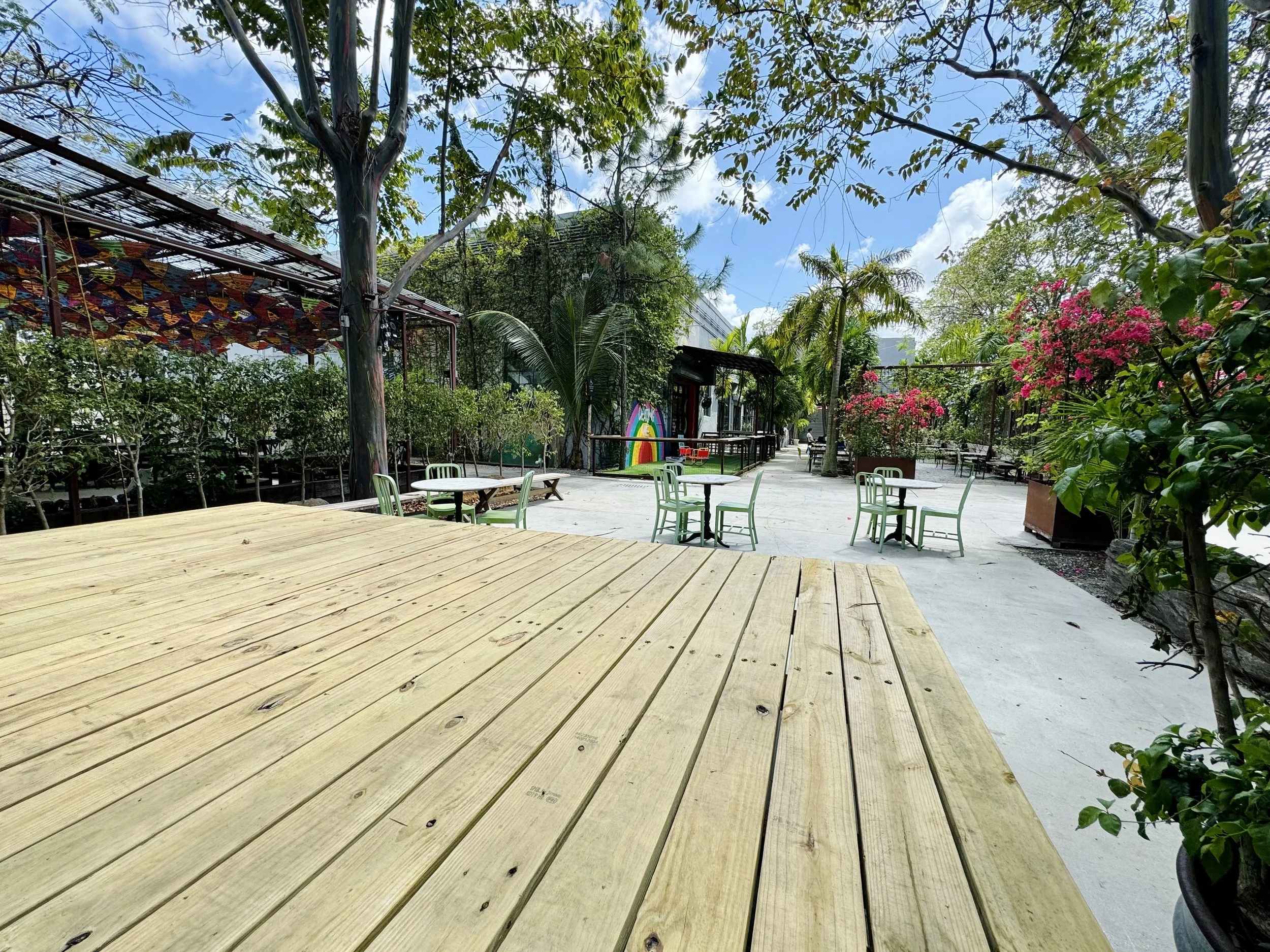
And districts like Miami Ironside’s Longevity District are beginning to operate from this perspective, weaving clean materials, open-air infrastructure, natural textures, and slow-movement corridors into environments meant to outlast a single lifetime.

But before design choices come the deeper questions:

How does the built environment shape future health?

What does wellness look like when expanded across generations?

The Biology of Design: How Today’s Spaces Shape Tomorrow’s Bodies

Environmental inputs accumulate over time. They shape the nervous system, the immune system, metabolic rhythms, and even the genetic expression passed from one generation to the next.

For example:

  • Low-VOC materials reduce toxic burden that compounds silently over decades.

  • Green spaces lower cortisol and stabilize emotional patterns that influence future resilience.

  • Open-air structures improve respiratory health and cognitive clarity.

  • Clean culinary environments reduce inflammatory load with long-term metabolic impact.

These influences are small, but their consistency is what makes them powerful.

Repeated throughout a lifetime, they shift biological baselines — not just momentary states.

Design becomes a multigenerational signal:

a steady environmental message that shapes how bodies adapt and thrive.

Stress, Space, and the Inherited Architecture of Daily Life

Chronic stress rarely comes from catastrophic events. It builds from the micro-stressors embedded in everyday environments: harsh lighting, poor airflow, toxic materials, cluttered sensory landscapes, and food environments that subtly overload the body.

We lose wellbeing not through crisis, but through accumulation.

Future-centered design reverses this pattern. Shade, greenery, texture, and open air reduce the body’s stress load. Calm walkways, natural acoustics, and toxin-free materials create micro-moments of regulation the nervous system can rely on.

These spaces tell the body it is safe — and a regulated body digests, repairs, learns, and ages more gracefully.

When this becomes the environmental baseline, entire communities benefit for generations.

Design as a Legacy of Wellness

We shape our environments, and then our environments shape us — and the people who come after us.

The materials chosen today become someone’s air tomorrow.

The culinary choices normalized today become someone’s metabolic inheritance.

The sensory rhythms built today become someone’s emotional foundation.

Design is not only functional.

It is generational.

At the Longevity District at Miami Ironside, this philosophy defines every decision — creating spaces that support not just current wellbeing, but the wellbeing of those who will one day walk the same pathways.

Because wellness is not only about the life we live.

It’s about the life we leave behind.

📍 Miami Ironside: The Longevity District
A creative and regenerative urban village where design, wellbeing, and sustainability converge.

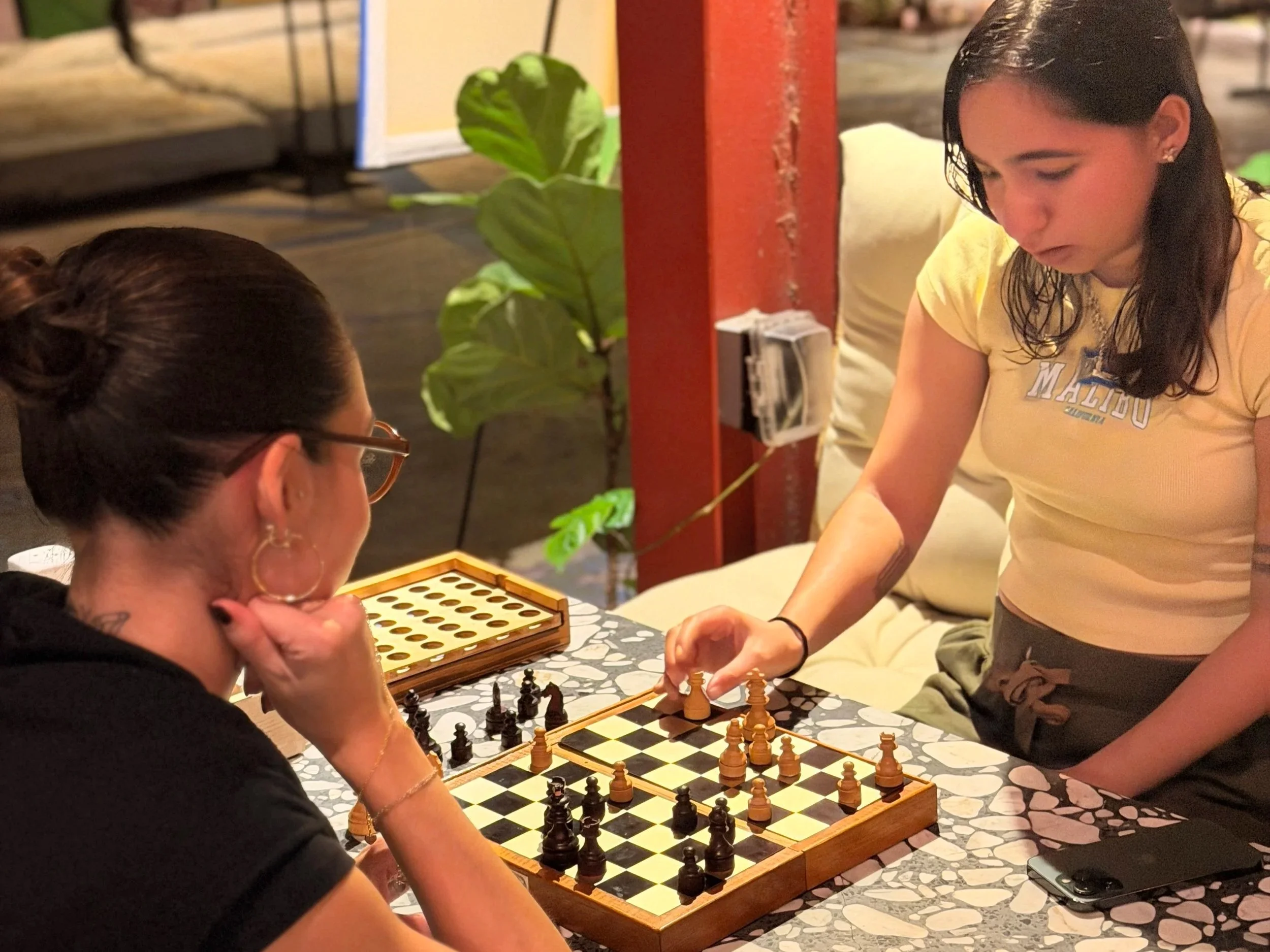
The Cognitive Boost: How Board Games Improve Focus, Memory, and Mental Health.

How Board Games Improve Focus, Memory, and Mental Health

In a world overwhelmed by screens, notifications, and constant digital noise, our attention spans are shrinking—and our stress levels are rising. Yet, one of the most powerful tools to restore mental clarity and emotional balance is surprisingly simple, timeless, and analog: playing games.

Board games, strategy challenges, and group-based play do far more than entertain. They activate areas of the brain responsible for memory, decision-making, emotional regulation, and social connection. And while the benefits may feel immediate—laughter, excitement, presence—the long-term impact extends far deeper into overall wellness.

The Science Behind Play

  • Focus & Attention

    Games train the prefrontal cortex, improving concentration and helping the brain resist distractions—something increasingly rare in a hyper-digital world.

  • Memory & Cognitive Flexibility

    Strategic games stimulate neural pathways, strengthening working memory and sharpening problem-solving skills that we rely on daily.

  • Stress Reduction

    The act of playing—especially in group settings—lowers cortisol, promotes relaxation, and increases serotonin, the neurotransmitter linked to happiness.

  • Social Health

    Collaborative or competitive play builds community, reduces loneliness, and reinforces social bonds—key pillars of mental health and longevity.

Why Play Supports Longevity

Just as movement strengthens the body, play strengthens the brain. Research shows that mentally engaging activities can delay cognitive decline, improve emotional resilience, and support long-term neurological health.

In essence: the more we play, the more the brain stays agile, adaptable, and youthful.

Designed for Connection at Miami Ironside

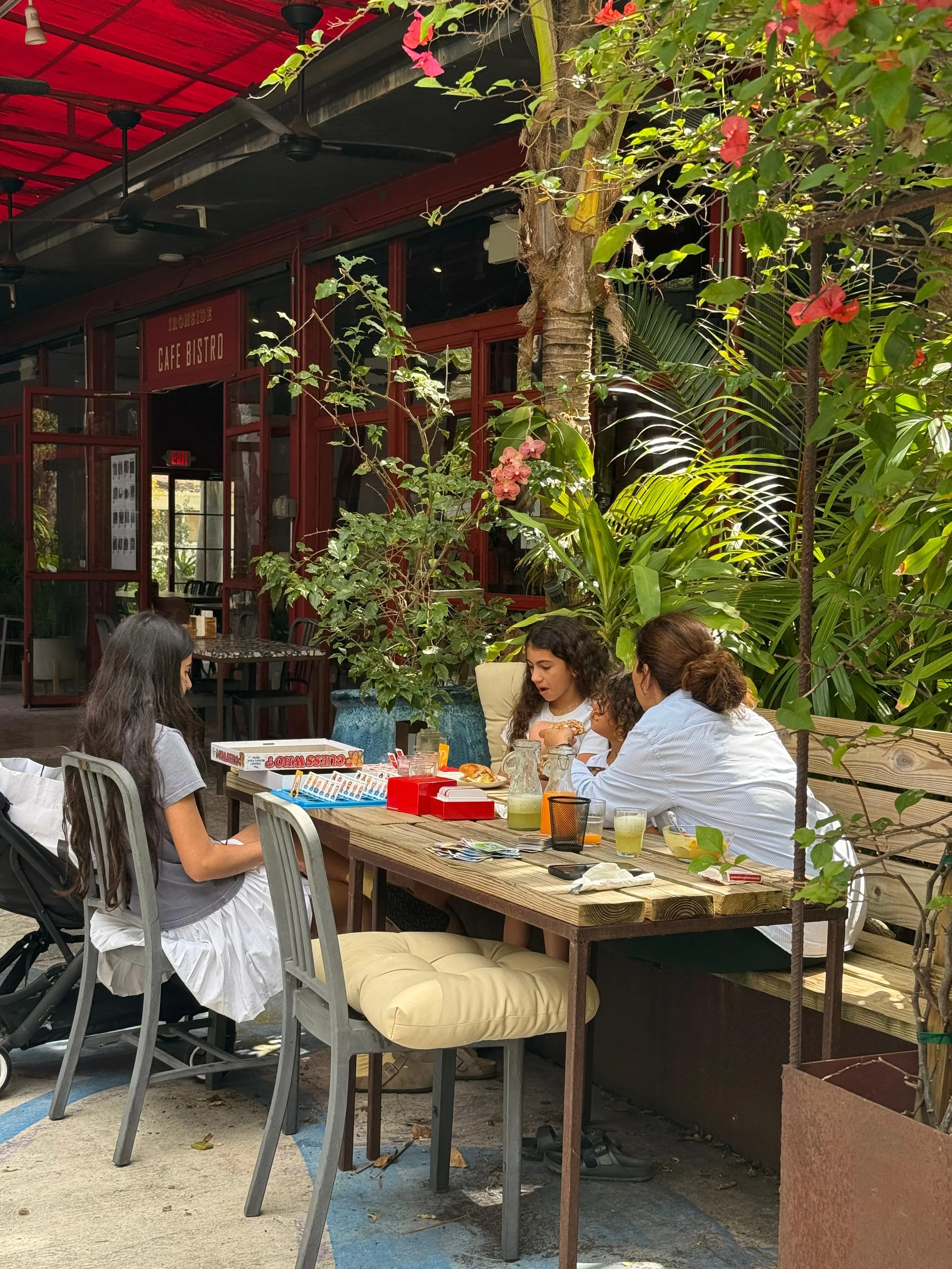
At the Miami Ironside Longevity District, play is part of the lifestyle. Our weekly Backgammon & Board Game Nights invite the community to gather, disconnect from the digital world, and reconnect with each other.

Every match, laugh, and strategy session becomes a wellness practice—nurturing creativity, reducing stress, and strengthening community ties.

Because here, wellness isn’t limited to movement or nutrition. It’s also found around a table, in good company, with a game that challenges the mind and feeds the soul.

A Reminder to Play More

Longevity isn’t just about how long we live—it’s about the quality of the moments that fill our days.

Board games offer something rare: presence, joy, mental activation, and community, all at once.

Because investing in your health can be as simple as sitting down, rolling the dice, and playing.

📍 Miami Ironside: The Longevity District
A creative and regenerative urban village where design, wellbeing, and sustainability converge.

Everyday Rituals for Longevity: Small Habits with Big Impact

How Ordinary Moments Become the Foundation of Extraordinary Wellbeing

Longevity is often imagined as something distant — a result of breakthroughs, advanced science, or drastic lifestyle changes. But the truth is far simpler: the foundation of a long and resilient life is built in the quiet, daily rituals we repeat without thinking.

As cities become faster and more overstimulating, these rituals matter more than ever. They regulate the nervous system, strengthen cognitive function, and help the body return to balance. Longevity is not a destination — it is a rhythm.

At Miami Ironside, the city’s Longevity District, the idea of “everyday rituals” informs how the environment supports wellbeing. Through green corridors, open-air pathways, clean-dining options, and slow-walking micro-environments, the district encourages the small habits that create long-term impact.

Why Everyday Rituals Matter

Science shows that tiny, consistent habits influence:

  • cortisol regulation

  • circadian rhythm

  • inflammation levels

  • cognitive performance

  • emotional resilience

Micro-habits work because the nervous system prefers repetition over intensity. They become “anchors” — signals to the body that it is safe, grounded, and ready to repair.

At Ironside, daily rituals take the form of:

  • Sun-lit pathways that reset the internal clock

  • Green breathing zones that reduce stress hormones

  • Seed-oil-free dining that lowers inflammation

  • Slow movement corridors that bring heart rate down

  • Quiet pockets for micro-breaks that restore focus

These simple acts create physiological change over time.

The Science: Small Actions, Big Biological Shifts

Neuroscience, chronobiology, and behavioral psychology all point to the same truth: the body responds profoundly to what we repeat.

Positive daily rituals help:

  • lower baseline cortisol

  • improve glucose stability

  • boost sleep quality

  • reduce anxiety

  • increase attention span

  • support cellular repair

Consistency activates the parasympathetic system — the biological state where healing occurs.

Longevity is not built during rare moments of discipline. It’s built during ordinary moments of presence.

How Ironside Supports Everyday Longevity Rituals

Within the Longevity District, the environment makes rituals easier:

1. Sunlight & Circadian Rhythm

Morning-light corridors support hormonal balance and stable energy.

2. Clean, Low-Toxin Eating

PFAS-free and seed-oil-free dining options nourish the body daily.

3. Slow Movement Architecture

Pathways designed for walking — not rushing — help lower cortisol.

4. Green Micro-Ecosystems

Plants, shade, and natural textures regulate the nervous system.

5. Community Rituals

Workshops, art walks, and social health gatherings reinforce connection — a core predictor of longevity.

Ironside becomes a living framework where small habits are naturally supported throughout the day.

A Blueprint for Everyday Longevity

As Miami faces faster growth, higher stimulation, and rising heat, the question guiding urban wellbeing becomes:

How can we design cities that support the rituals that keep people well?

Ironside offers one model: a district where architecture, food, and community encourage the micro-habits that keep the body steady and the mind clear.

Longevity isn’t a dramatic transformation.

It’s something you practice — slowly, daily, intentionally.

📍 Miami Ironside: The Longevity District
A creative and regenerative urban village where design, wellbeing, and sustainability converge.

How Multi-Sensory Design Reduces Stress

Multi-Sensory Design That Lowers Cortisol and Lifts Focus

As cities grow louder, faster, and more stimulating, our bodies respond with rising cortisol levels, fragmented attention, and chronic fatigue. But what if the spaces around us could actively reverse this pattern? What if design itself could become a tool for calm, clarity, and focus?

At Miami Ironside, the city’s Longevity District, multi-sensory design forms the foundation of the neighborhood’s architecture — engaging sight, sound, texture, airflow, and nature to help the nervous system slow down and the mind sharpen.

What Is Multi-Sensory Design?

Multi-sensory design is the intentional use of sensory experiences to improve emotional, cognitive, and physiological wellbeing. Instead of overwhelming the senses, it creates balance, flow, and coherence.

At Ironside, this looks like:

  • Natural light corridors that regulate circadian rhythm

  • Green pathways that stimulate calm through biophilic cues

  • Textured surfaces that create grounding through touch

  • Open-air airflow that reduces stress and heat

  • Color palettes that support focus and emotional balance

  • Quiet zones that reduce mental load and noise pollution

Together, these elements create an environment that lowers cortisol and supports deeper concentration.

The Science: How Multi-Sensory Design Reduces Stress

Research shows that sensory environments directly affect how the body produces cortisol — the stress hormone. Calm, nature-rich, well-designed spaces help:

  • Lower heart rate

  • Reduce anxiety and tension

  • Improve emotional regulation

  • Strengthen attention span

  • Boost mental performance

By engaging the senses harmoniously, Ironside becomes a living environment where physiology and intentional design meet.

How Ironside Applies Multi-Sensory Design

Within the district, multi-sensory design takes shape through:

1. Biophilic Architecture

Trees, plants, and natural materials anchor the body in calm.

2. Adaptive Reuse

Raw textures, exposed materials, and preserved structures provide grounding sensory cues.

3. Soundscaping

Open-air courtyards reduce echo and create a soft, natural acoustic environment.

4. Shaded Light Play

Filtered sunlight lowers visual stress and supports cognitive rhythm.

5. Slow-Walking Pathways

Green corridors invite slower movement — essential for lowering cortisol.

Ironside isn’t designed just for use — it’s designed for experience.

A Blueprint for Mindful Cities

As Miami prepares for a future shaped by climate intensity and urban stress, multi-sensory design offers a powerful path forward. Ironside shows that when cities are crafted for the body and mind, they become healthier, calmer, and more focused — block by block.

Urban wellbeing isn’t an abstract idea.
It’s something we can feel.

📍 Miami Ironside: The Longevity District
A creative and regenerative urban village where design, wellbeing, and sustainability converge.

COP30 and the Cities That Could Save the Planet

How Miami Ironside Supports COP30 and the Cities That Could Save the Planet

In a world racing toward climate deadlines, cities are becoming the front lines of the planet’s response. From Paris to Belém, mayors, architects, and communities are being called to act—proving that the path to sustainability begins right where people live, create, and connect.

The Rise of the “Cities That Could Save the Planet”

The 2025 COP30 Climate Summit in Belém, Brazil marks a turning point. For the first time, global climate discussions are centering not just on nations, but on cities—the true engines of change.

According to the C40 Cities initiative, urban areas are responsible for over 70% of global emissions, yet they also hold the keys to solving the crisis. Through sustainable design, circular economies, and local innovation, cities are becoming laboratories for climate solutions.

That’s where Miami Ironside fits in. Our creative campus mirrors the kind of urban microcosm COP30 celebrates—one that merges sustainability, wellbeing, and creativity to inspire systemic change.

How Miami Ironside Embodies Climate Action and COP30 Values

1. Adaptive Reuse: Reducing Carbon Through Design

Every brick and beam at Ironside tells a story of preservation over demolition. Instead of new construction, the campus repurposed existing industrial structures—significantly lowering its carbon footprint while creating a uniquely modern aesthetic.

This approach aligns with COP30’s goals of circular economy and sustainable infrastructure, proving that the greenest building is often the one that already exists.

2. Nature Integration and Urban Ecology

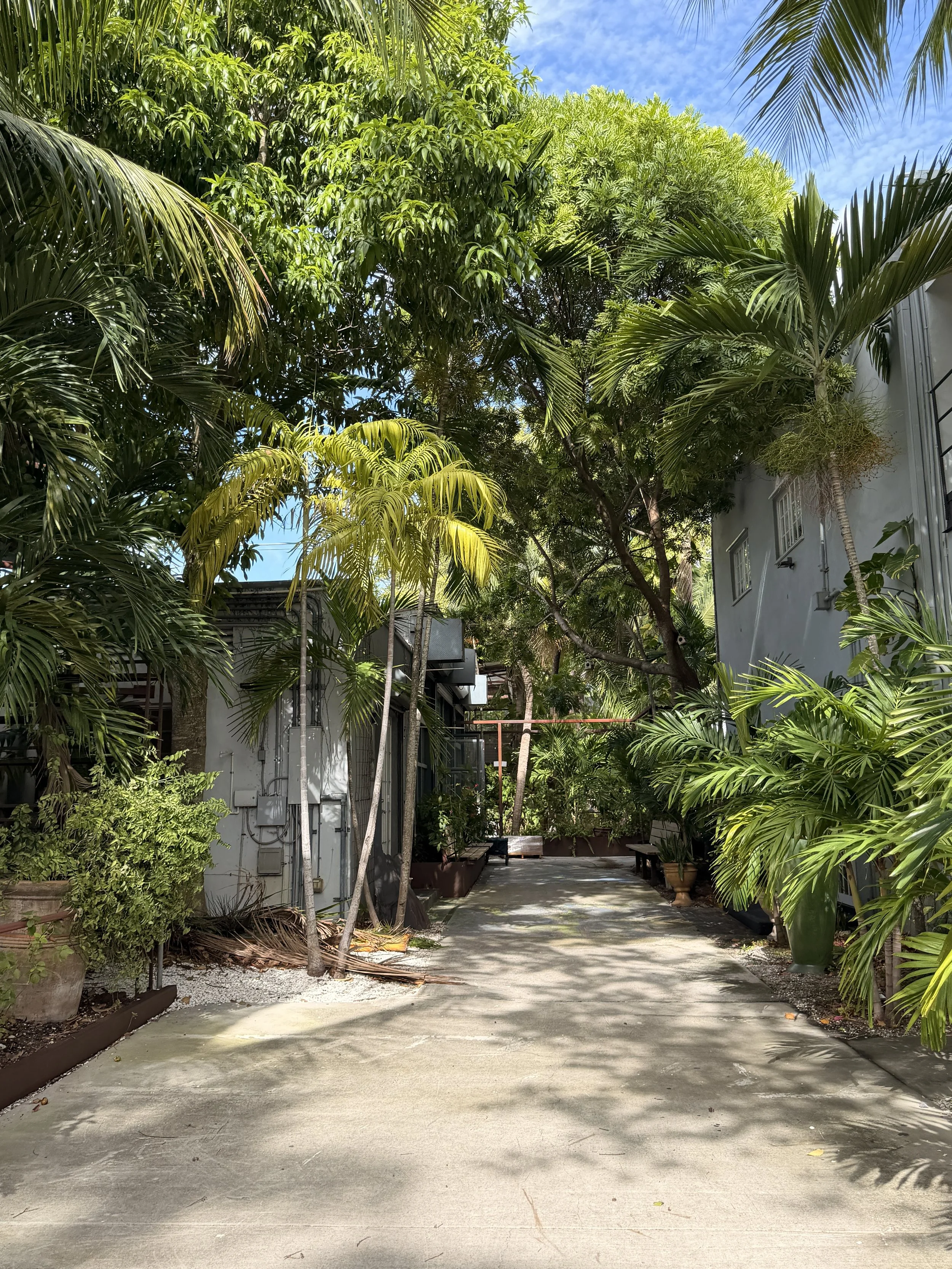
Ironside’s landscape—complete with native Florida plants, pollinator corridors, and shaded paths—represents a blueprint for climate-adaptive urban design. Biophilic elements such as natural light, greenery, and outdoor art installations reconnect visitors to the rhythms of nature in an urban environment.

3. The Longevity District: Health, Clean Food, and Social Wellbeing

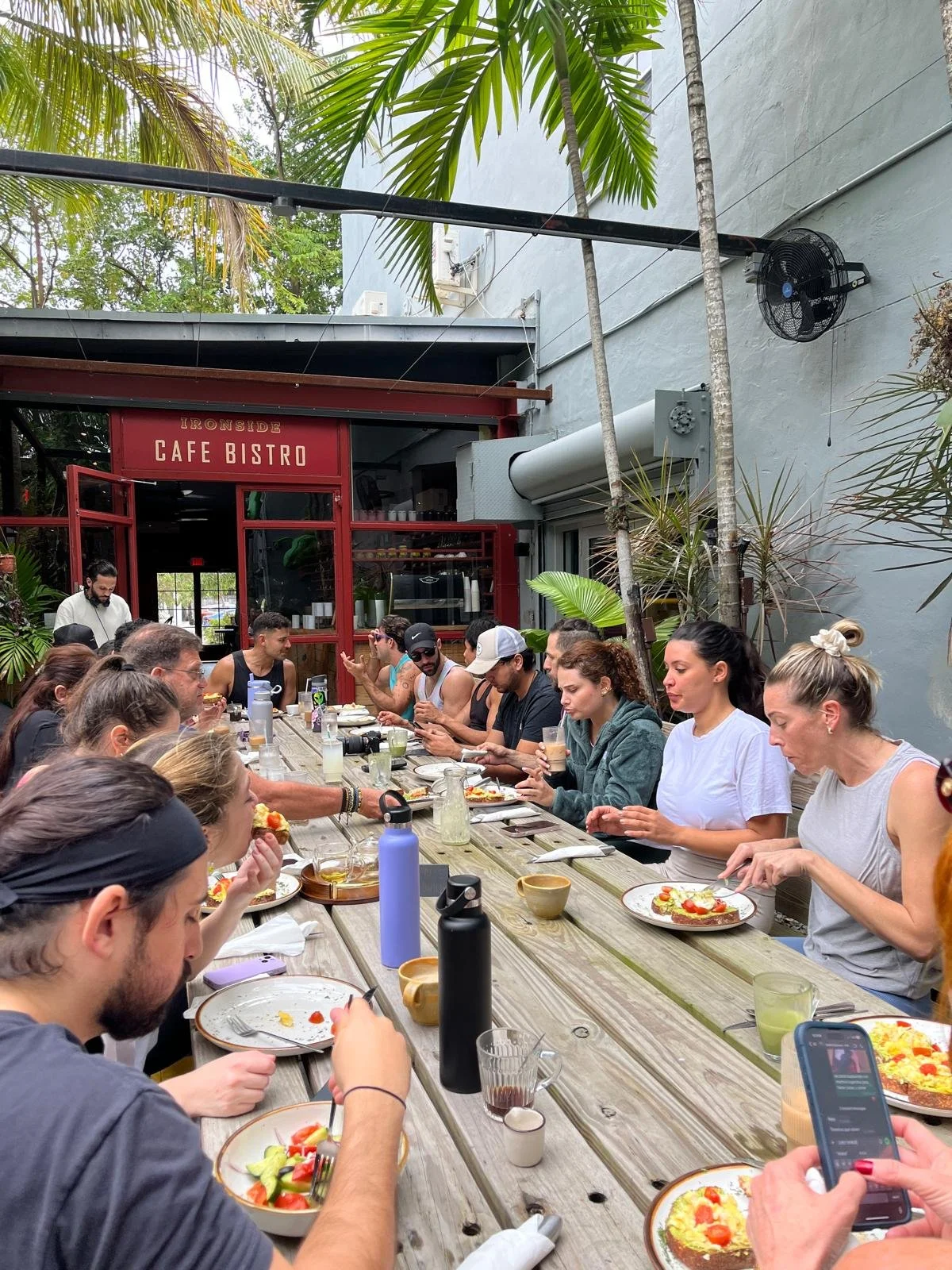
At Ironside Café Bistro, food and sustainability intersect. With a seed-oil-free, PFAS-free, and organic menu, the café embodies a lifestyle that connects human health to planetary health. This philosophy mirrors COP30’s holistic approach to sustainability, linking environmental quality with longevity and social wellbeing.

4. A Platform for Climate Culture and Collaboration

Miami Ironside hosts events, exhibitions, and summits that explore the intersection of design, sustainability, and community impact. Its event venues are ideal for eco-conscious conferences, green product launches, and climate discussions, reinforcing its identity as an urban innovation campus aligned with COP30’s message: Cities are the solution.

5. Art as Environmental Storytelling

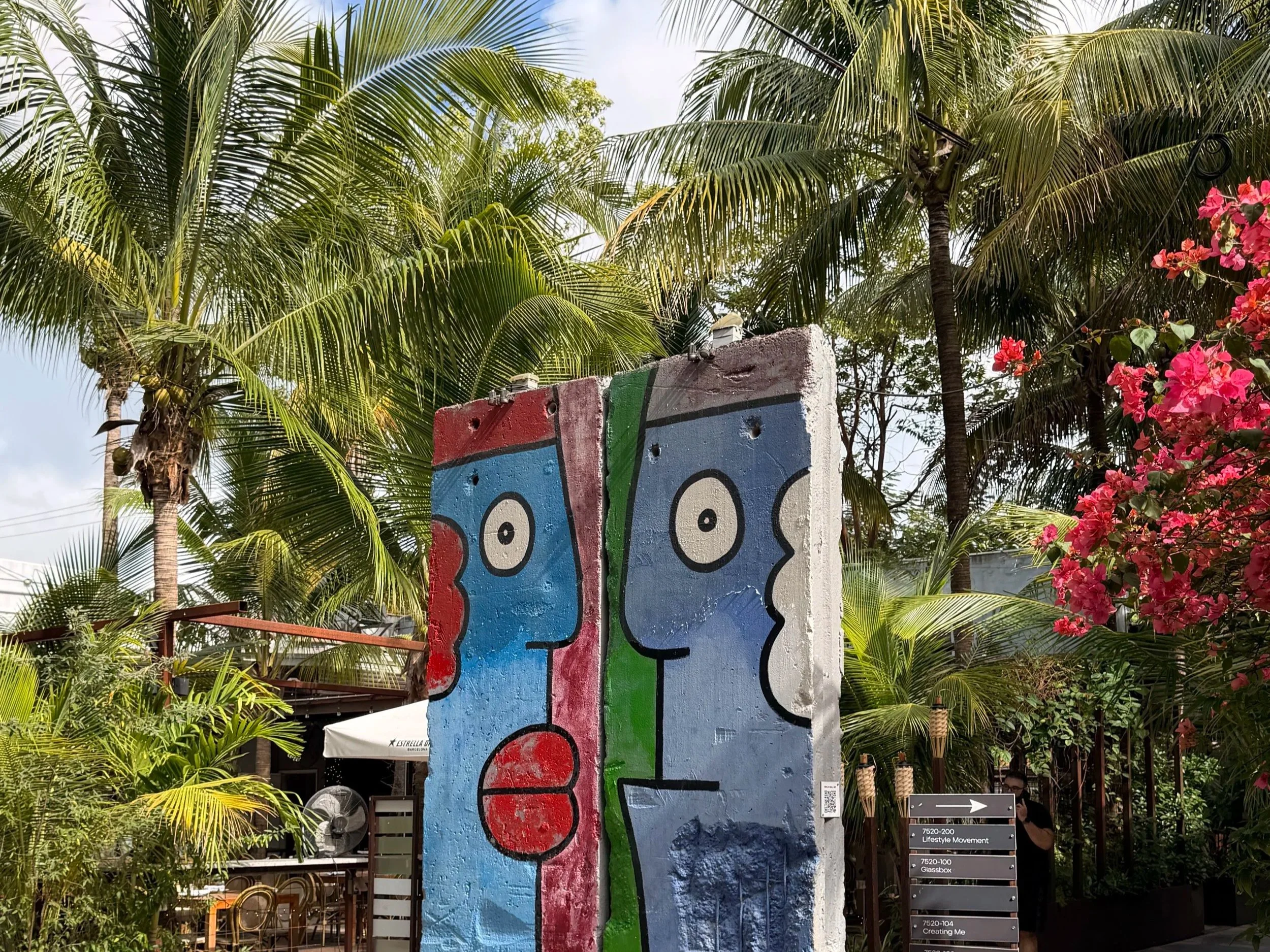
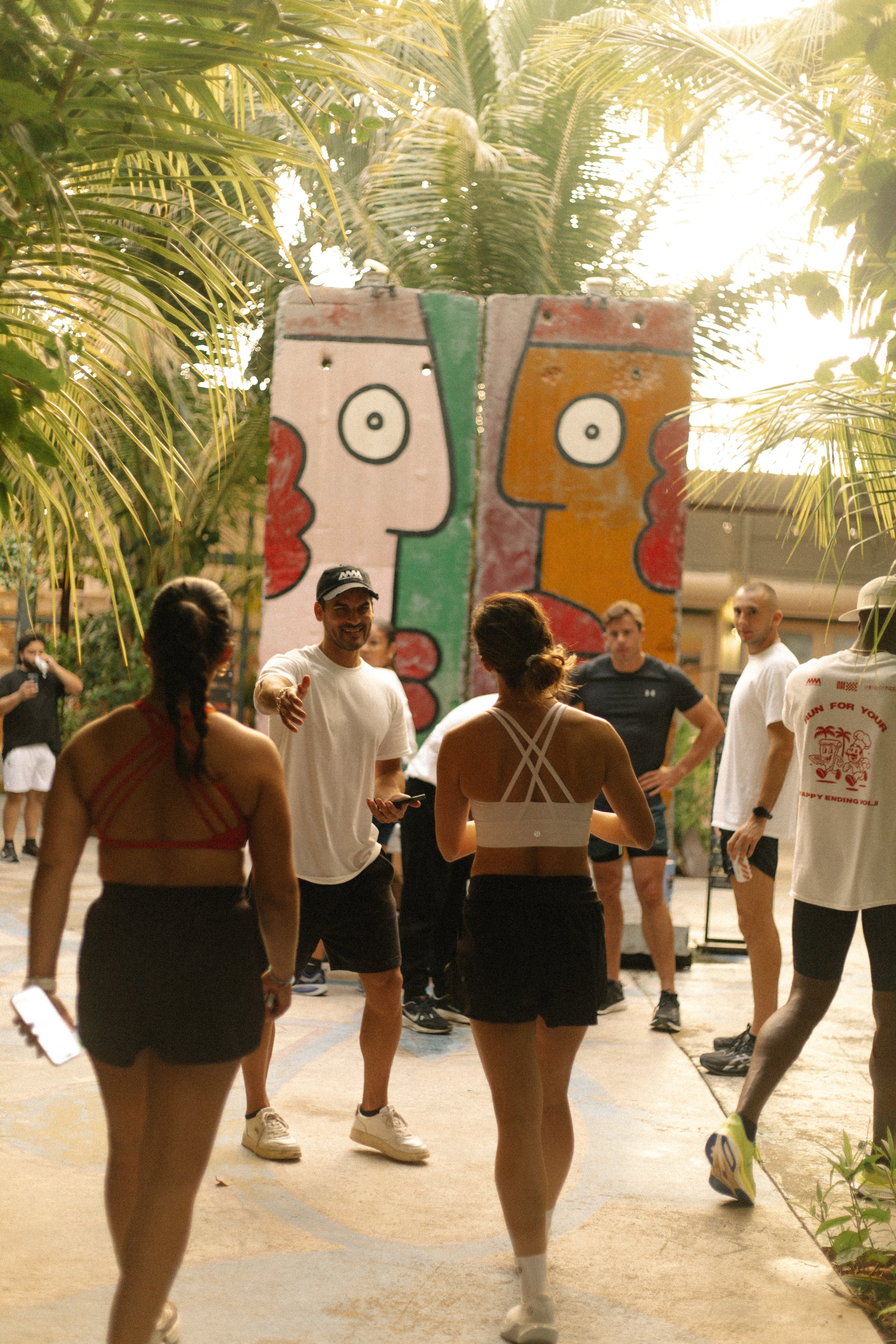
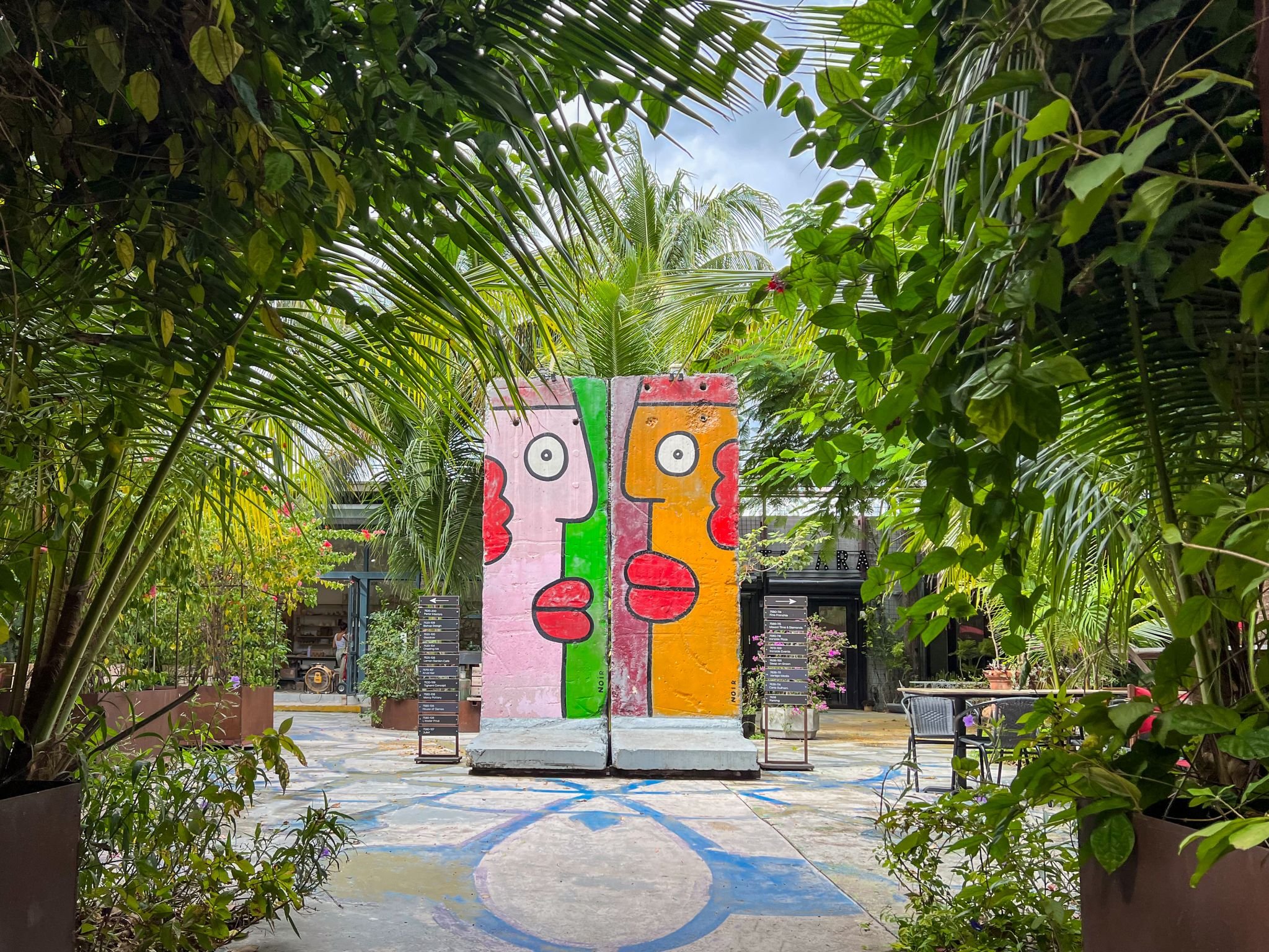
Public installations like Thierry Noir’s Berlin Wall sculptures remind visitors that creativity and courage drive transformation. Through art and architecture, Ironside communicates that culture is climate action—because shifting mindsets is as vital as shifting materials.

A Call to Rethink and Relink

As COP30 calls for cooperation between nations, cities, and citizens, Miami Ironside stands as a local response to a global challenge. Through design, food, art, and collaboration, this creative campus is redefining what it means to live and create sustainably.

We invite designers, innovators, and global visitors to experience the Miami Ironside Longevity District—a space where beauty meets responsibility, and where Miami joins the cities that could save the planet.

📍 Miami Ironside: The Longevity District
A creative and regenerative urban village where design, wellbeing, and sustainability converge.

Corridors as Urban Medicine: Connecting Ecology and People

Are Highways Making Us Sick?

Cities are often imagined as places of glass, steel, and speed. Yet beneath their surfaces lies another possibility: spaces where movement isn’t just about efficiency, but about health—for both people and the planet. This is the power of urban corridors: ecological pathways that double as social arteries, weaving wellbeing into daily life.

Corridors as Medicine for Cities

An urban corridor is more than an infrastructure project. It’s a living system. By connecting green spaces, pedestrian walkways, and gathering areas, corridors act as medicine for the body of the city.

  • For nature: corridors restore biodiversity, allowing pollinators, birds, and native plants to thrive.

  • For people: they invite slower rhythms of walking, cycling, and pausing, reducing stress and encouraging movement.

  • For communities: corridors foster encounters, turning pathways into places of belonging and exchange.

When designed intentionally, these spaces don’t just move us from A to B—they transform the journey itself into a ritual of connection.

At Miami Ironside, the Longevity District

The design of Ironside integrates corridors as pathways of wellbeing. Shaded walkways lined with native trees reduce urban heat. Open-air paths connect studios, courtyards, and the Café Bistro, creating a continuous flow between ecology and community. Here, corridors are not background—they are the stage on which urban life unfolds.

A Call to Rethink Urban Design

What if cities prescribed green corridors the way doctors prescribe medicine?

Urban corridors remind us that healing isn’t only personal—it’s collective.

—> Because when ecology and people move together, cities learn to breathe again.

📍 Miami Ironside: The Longevity District
A creative and regenerative urban village where design, wellbeing, and sustainability converge.

The Longevity Mindset: Designing Life for Energy, Not Burnout

The Longevity Mindset: Designing Life for Energy, Not Burnout

We live in a world that often confuses exhaustion with success. The “hustle” has become a badge of honor — but the truth is, burnout isn’t productivity. It’s depletion.

The Longevity Mindset invites us to redefine what it means to thrive. It’s about designing our days, spaces, and habits for sustained energy, clarity, and joy — rather than living in constant overdrive.

At Miami Ironside, known as The Longevity District, this philosophy is not just a belief — it’s a blueprint for urban life. Every corner of the district is designed to give energy back: through natural light, biophilic architecture, mindful food, and community-centered spaces.

Rethinking Success

For decades, we’ve measured achievement by how much we do. But neuroscience and longevity research reveal that real performance comes from alignment, not overextension. Energy — not time — is the new metric of success.

The Longevity Mindset asks us to design our lives intentionally: to make choices that protect our capacity to create, connect, and contribute.

Designing for Energy

Energy is designed, not discovered.

At Ironside, this concept comes to life in tangible ways:

  • Natural light to regulate circadian rhythms and boost mood.

  • Green courtyards that restore focus through connection with nature.

  • Mindful cafés offering PFAS-free, seed-oil-free meals that fight inflammation.

  • Adaptive studios that allow deep work, reflection, and creativity.

Each element is intentional — shaping environments that sustain vitality instead of draining it.

From Burnout to Balance

Burnout isn’t the price of ambition — it’s the failure of design. When we align our lives with natural rhythms and prioritize restoration, creativity and performance follow effortlessly.

The Longevity Mindset reframes productivity as something regenerative — a rhythm of focus, flow, and renewal.

A Blueprint for the Future

At Miami Ironside, longevity is more than a wellness concept. It’s a living system of design, community, and purpose. A place where architecture, clean food, and connection merge into a holistic ecosystem for energy and wellbeing.

Because the future of work — and life — won’t be measured by hours or output, but by the vitality we sustain.

📍 Miami Ironside: The Longevity District
A creative and regenerative urban village where design, wellbeing, and sustainability converge.

Shared Spaces, Shared Health: Why Co-Living and Co-Working Matter

Shared Spaces, Shared Health: Why Co-Living and Co-Working Matter

In a world that often celebrates independence, it’s easy to forget that humans are wired for connection. Our health—physical, mental, and even cellular—thrives when we are part of communities that share, support, and inspire. This is why shared spaces are no longer just a lifestyle trend; they are a blueprint for wellbeing and resilience.

The Power of Co-Living

Co-living is not about less privacy—it’s about more possibility. When people share spaces intentionally, they also share meals, routines, and emotional support. Studies show that individuals in strong communities live longer, experience lower stress levels, and feel more fulfilled. A shared home is more than walls and furniture—it’s a framework for belonging.

The Future of Work Is Shared

The same applies to co-working. Traditional offices can isolate; home offices can disconnect. But shared workspaces create environments of flow, collaboration, and creativity. They reduce loneliness, provide a sense of rhythm, and encourage serendipity—the spark of ideas that only comes from being around others.

At Miami Ironside, co-working and gathering spaces are designed with health at the center: natural light, PFAS-free materials, outdoor courtyards, and studios that promote both focus and connection. Here, design supports not only productivity but also longevity.

Shared Health, Shared Future

Wellbeing isn’t built in isolation. It’s cultivated in the spaces we share, the conversations we have, and the rituals we create together.

When we embrace co-living and co-working as priorities, we embrace health—not just for individuals, but for communities and cities.

Because to share space is, ultimately, to share life.

📍 Miami Ironside: The Longevity District
A creative and regenerative urban village where design, wellbeing, and sustainability converge.

The Invisible Toxins: How Everyday Materials Impact Our Health

The Invisible Toxins: How Everyday Materials Impact Our Health

We often think of toxins as something distant—industrial pollution, smoke-filled skies, contaminated rivers. But some of the most harmful toxins are far closer than we imagine: woven into the everyday materials that surround us, often hidden in plain sight.

From the chair we sit on, to the packaging that wraps our food, to the paint on our walls, invisible toxins quietly infiltrate daily life. And over time, they affect our health in ways we cannot always see immediately: chronic inflammation, hormone disruption, fatigue, even long-term disease.

Everyday Materials, Hidden Risks

  • Plastics & Packaging: Many still contain PFAS (“forever chemicals”), which resist breaking down in the body and environment, disrupting hormones and impacting immunity.

  • Furniture & Textiles: Upholstery, mattresses, and carpets often carry flame retardants or chemicals that release toxins into the air we breathe.

  • Building Materials: Paints, sealants, and adhesives can emit volatile organic compounds (VOCs) that irritate lungs and stress the nervous system.

  • Cookware & Utensils: Non-stick coatings and seed oils used in food preparation contribute to inflammation, the root of many chronic conditions.

Designing for Health, Not Just Function

At the Miami Ironside Longevity District, the philosophy is simple: materials matter. By choosing PFAS-free, seed-oil-free, and low-VOC materials, and by integrating natural design elements, every space is crafted to give health back rather than take it away. Dining, working, or simply being in these spaces becomes an act of wellbeing.

A Call to Awareness

Health is not just shaped by what we eat or how we move, but by the invisible environment that surrounds us. Recognizing and removing everyday toxins is not a luxury—it’s a necessity for longevity.

Because true sustainability begins with the body, and the materials we choose today shape the vitality we carry into tomorrow.

📍 Miami Ironside: The Longevity District
A creative and regenerative urban village where design, wellbeing, and sustainability converge.

Can We Redefine Nightlife Through Wellness?

Wellness Raves & Sober Parties: Redefining the Way We Celebrate

A new wave of celebration is reshaping how we connect — one where joy, movement, and mindfulness replace excess.
Welcome to the world of wellness raves and sober parties: gatherings that merge music, art, and wellbeing into transformative experiences.

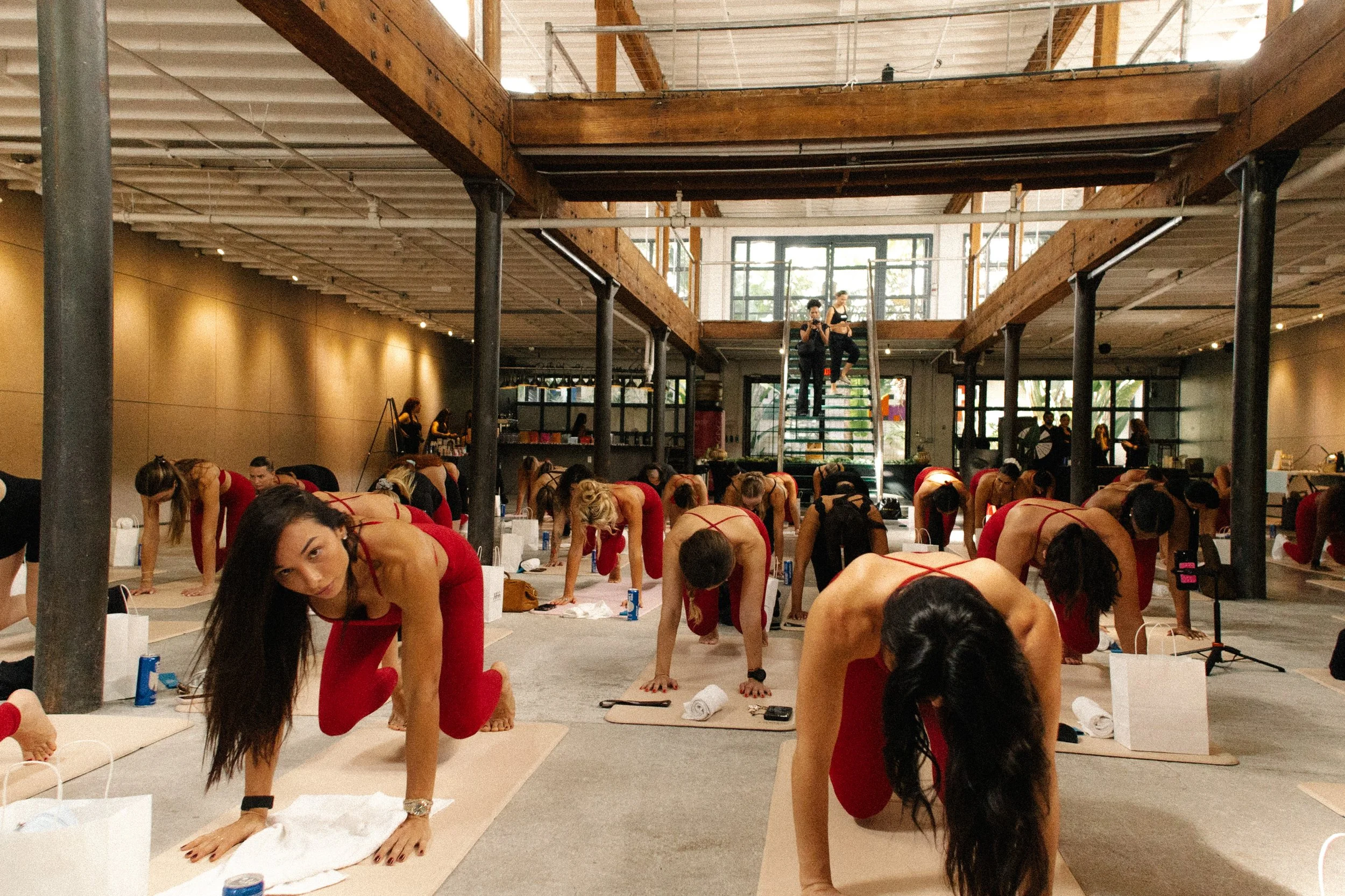
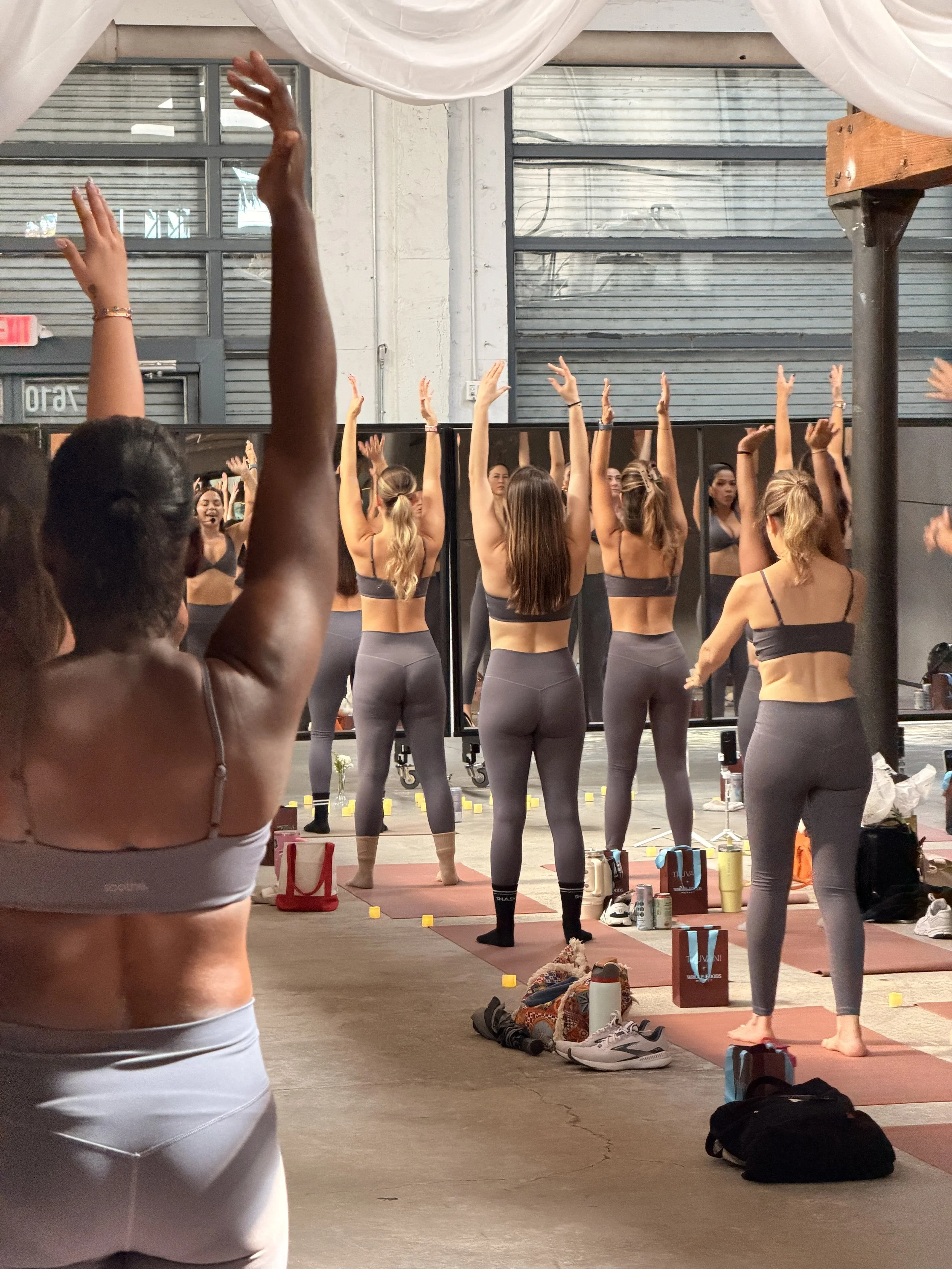
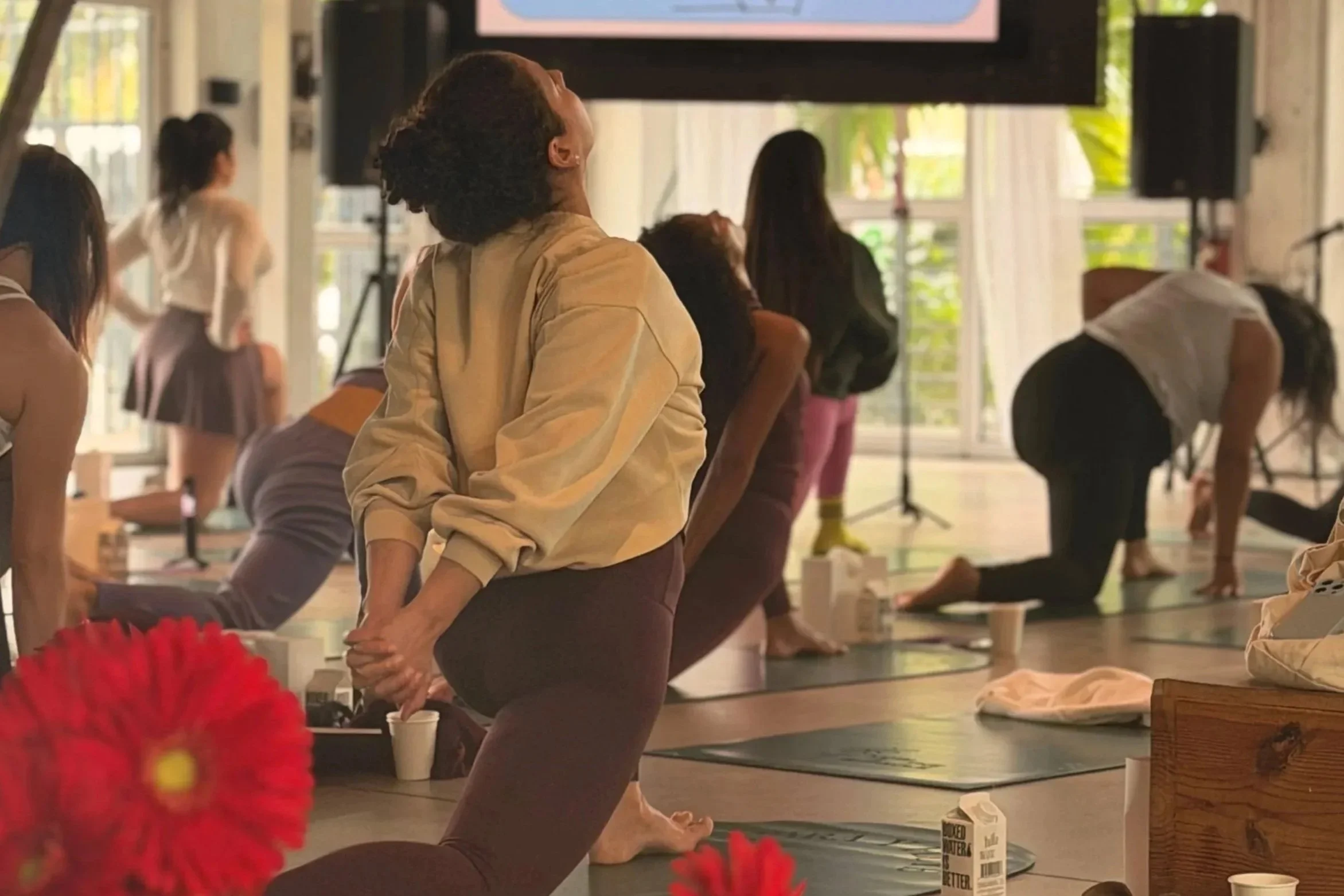
Recently, World Red Eye featured the Daybreaker Worldwide Wellness Rave hosted at Miami Ironside, highlighting how this global movement is redefining what it means to gather, dance, and celebrate with purpose. The article captured the vibrant morning scene where guests came together for yoga, live music, and conscious connection — transforming Ironside into a sanctuary of light and energy.

As World Red Eye noted, the event brought “live music and conscious connection inside the iconic NYC-style venue,” showcasing the cultural evolution of Miami’s wellness community.

What Are Wellness Raves and Sober Parties?

Unlike traditional nightlife, wellness raves are rooted in consciousness. They blend early-morning yoga sessions, breathwork, live DJs, and non-alcoholic elixirs — creating a space to elevate energy naturally.

These gatherings are designed for those who want to feel alive, not just entertained. They celebrate community, clarity, and connection — proving that the most powerful high comes from within.

Common elements include:

  • Sunrise or daytime schedules that sync with the body’s natural rhythm.

  • Programming that merges wellness and art — from yoga and meditation to immersive sound and dance.

  • Alcohol-free environments featuring adaptogenic tonics, cold-pressed juices, and mindful drinks.

  • Open-air or nature-inspired venues that invite restoration and movement.

  • A sense of belonging and shared intention.

The Rise of the Conscious Celebration

The “sober curious” movement has become a global shift. More people are questioning the role of alcohol in their social lives and seeking experiences that honor both energy and awareness.

Wellness-based events like Daybreaker have led this transformation, proving that dance and joy can thrive without intoxication. Instead, they foster clarity, creativity, and authentic connection — values that deeply align with Miami Ironside’s vision as The Longevity District.

Daybreaker at Miami Ironside: Where Joy Meets Purpose

The Daybreaker: Have Fun. Be Nice. experience gathered hundreds of guests for a morning of yoga, breathwork, live performances, and dance. Non-alcoholic elixirs infused with mushrooms and adaptogens were served to “turn up, tap in, and tune out,” channeling energy through presence rather than excess.

Inside Ironside’s creative ecosystem — where industrial architecture meets greenery and light — the event embodied what wellness raves stand for: community, wellbeing, and joy as a form of self-care.

As World Red Eye described, the experience “transformed Miami Ironside into a sunrise sanctuary,” capturing the essence of how the district continues to bridge culture, creativity, and conscious living.

Why It Matters

These sober gatherings aren’t just a trend — they reflect a cultural shift toward regenerative living. They nurture mental health, encourage real connection, and show that nightlife can evolve into light-life.

For communities like Miami Ironside, they represent the future of conscious entertainment — where health, art, and joy coexist.

A New Kind of Energy

At the heart of this movement lies a simple truth: celebration doesn’t need to come with a hangover.
It can start with intention, flow through music, and end in gratitude.

Wellness raves remind us that joy is medicine — and when we gather with presence, we heal together.

📍 Miami Ironside: The Longevity District
A creative and regenerative urban village where design, wellbeing, and sustainability converge.

Why Build New When the Future Is Already Here?

The Future of Cities: Reimagining, Not Rebuilding

The future of cities will not be built from scratch—it will be reimagined from what already exists. In an age where sustainability is no longer optional, adaptive reuse and the circular economy are emerging as powerful frameworks for shaping spaces that are not only functional, but regenerative.

Cities around the world are facing the same question: how do we grow without exhausting the planet? The answer doesn’t lie in endless construction or expansion. It lies in working with what’s already here — restoring, transforming, and rethinking the materials, buildings, and systems that have shaped our urban environments for generations.

Rebuilding Without Starting Over

Adaptive reuse challenges the traditional cycle of demolition and reconstruction. Instead of seeing aging buildings as obsolete, it views them as opportunities — vessels of history and identity waiting to be renewed.

When we preserve, we remember. When we reuse, we reduce. And when we reimagine, we regenerate.

This is not just an architectural approach; it’s a mindset. It shifts our relationship with the urban landscape from one of consumption to one of stewardship. Every wall and window becomes part of a dialogue between past and future, between what a city was and what it can still become.

Miami Ironside: The Longevity District

At Miami Ironside, positioned as the city’s Longevity District, these ideas are not theoretical — they are lived. What once stood as a cluster of industrial warehouses has been thoughtfully transformed into a mosaic of creative studios, lush courtyards, design showrooms, cafés, and art galleries.

Each structure tells a story of reinvention. Instead of erasing the past, Ironside builds upon it — creating spaces that promote wellbeing, community, and connection. The district demonstrates that progress doesn’t have to come at the cost of heritage, and sustainability doesn’t have to compromise beauty.

Here, adaptive reuse becomes a tool not only for preservation, but for vitality — breathing new life into materials, neighborhoods, and ideas.

Adaptive Reuse: Breathing New Life Into the Old

Instead of demolishing and discarding, adaptive reuse embraces what already exists. It reduces the carbon footprint of new construction, conserves resources, and preserves the cultural memory embedded in a city’s architecture.

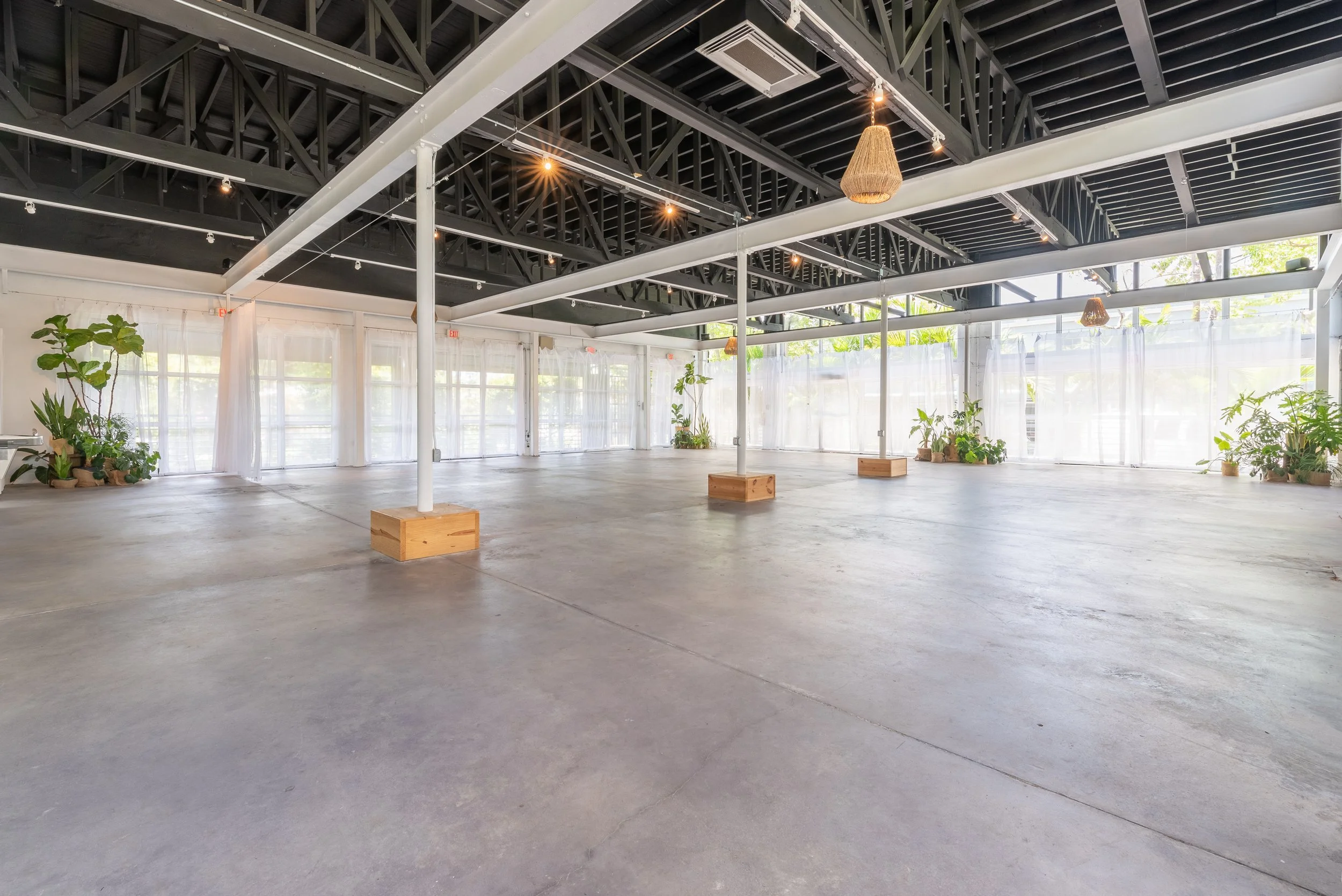
At Ironside, warehouses that once echoed with industrial noise now hum with the sounds of creativity. Concrete walls hold stories of transformation; natural light filters through spaces that were never designed to be beautiful — yet now invite reflection and collaboration.

By restoring structures and weaving them into a new urban fabric, Ironside demonstrates that renewal can coexist with authenticity. Each courtyard, mural, and open-air passage reminds us that progress doesn’t require erasure — it requires imagination.

The Circular Economy in Action

While adaptive reuse gives new life to the physical, the circular economy ensures that life continues to circulate — that nothing ends in waste. Circularity goes beyond recycling. It’s about rethinking the entire lifecycle of materials, spaces, and even cultural practices.

At Ironside, this vision takes tangible form through:

  • Materials and furnishings chosen for durability and low environmental impact. Every element is designed to last and evolve with time, not end up discarded.

  • Spaces designed for multiple uses. Studios, event venues, and community hubs shift seamlessly throughout the day — flexible, fluid, and alive.

  • A culture of sharing and regeneration. Tenants and visitors are encouraged to collaborate, exchange resources, and repurpose materials, keeping the cycle of creativity and sustainability in motion.

Circularity at Ironside is not an abstract principle — it’s daily practice. It’s embedded in how people work, eat, and connect within the district.

A Living Model for the Future

Miami Ironside is not just a destination — it’s a living model of what cities could become when we choose longevity over disposability. By combining adaptive reuse with the circular economy, the district shows how design can be regenerative: giving more than it takes, inspiring rather than depleting.

This approach redefines what it means to build. Instead of breaking ground, it asks us to build upon. Instead of expanding outward, it asks us to grow inward. It’s a philosophy that mirrors nature itself — cyclical, self-sustaining, and infinitely creative.

And as Miami continues to evolve as a global hub for design, innovation, and culture, Ironside stands as a reminder that the future of urban life doesn’t depend on constant reinvention, but on reconnection — with history, with nature, and with one another.

The future of cities will be written not in blueprints, but in how we choose to preserve, repurpose, and reimagine what already exists.
At Miami Ironside, that future is not a concept — it’s already here. 🌿

📍 Miami Ironside: The Longevity District
A creative and regenerative urban village where design, wellbeing, and sustainability converge.

Why Our Environments Should Invite Us to Move?

Sitting has become the new smoking

Modern life has engineered movement out of our days. Elevators replace stairs, cars replace walking, screens replace outdoor time. The result? A lifestyle of stillness that fuels everything from chronic pain to cardiovascular disease, diabetes, and burnout.

Yet science reminds us of something simple: movement is medicine. It regulates mood, reduces inflammation, strengthens immunity, and improves focus. The problem isn’t that people don’t want to move—it’s that most environments aren’t designed to invite it.

The Cost of Stillness

Sitting for more than eight hours a day has been compared to smoking in its long-term health risks. Prolonged sedentary time slows metabolism, stiffens muscles, and even alters brain function. But the solution isn’t found in one hour at the gym—it’s in building movement into the flow of everyday life.

Designing Environments That Move Us

When spaces invite us to move naturally, activity becomes effortless, even joyful. At the Longevity District, this principle is central to design:

  • Walkable pathways and courtyards that encourage strolls and spontaneous meetings.

  • Biophilic design that draws people outdoors, connecting them to light, air, and nature.

  • Art corridors and open plazas that invite exploration instead of passivity.

  • Community cafés that spark movement through gathering and connection.

These are not workouts—they are rhythms woven into the architecture of daily life.

From Exercise to Everyday Ritual

Movement doesn’t have to be structured. Stretching between meetings, walking to grab a coffee, pausing in a courtyard—each micro-movement signals vitality to the body. The more our environments normalize motion, the less we see “exercise” as a chore and the more we reclaim movement as part of living.

A Call to Reimagine Space

The environments we build are either medicine or toxin. By designing workplaces and communities that invite us to move, we transform movement from an obligation into a ritual of health, balance, and joy.

Because the future of wellbeing will not be built only in gyms—it will be designed into the very places where we live, work, and connect.

📍 Visit Miami’s Longevity District
Discover how design, nature, and community come together to create healthier ways of living.

📸 Follow us: Pinterest | Instagram | Twitter

🔗 Learn more: www.miamiironside.com

What if productivity was about rhythms, not hours?

For more than a century, the way we’ve defined productivity has been tied to time. The 9–5 schedule, the 40-hour week, the punch card—all relics of an industrial era where efficiency was measured in minutes and output was equated with endurance. This model may have served factories and assembly lines, but in today’s knowledge-driven and creativity-fueled economy, time is no longer the most valuable measure of work.

Energy, focus, and flow are.

This shift is not simply about cutting hours or adding flexibility—it’s about rethinking the very foundation of how we approach work. It asks us to move away from equating productivity with exhaustion and instead embrace a model where wellbeing and performance coexist.

And perhaps most importantly, it asks us to consider how the environments we inhabit—our offices, studios, cafés, and courtyards—can either drain us or give us back the energy to thrive.

The Science of Rhythms

Human beings are not machines, even though much of modern work has treated us as such. Instead, we are guided by biological cycles: circadian rhythms that regulate sleep and wakefulness, and ultradian rhythms—periods of 90 to 120 minutes where we naturally oscillate between focus and fatigue.

When we align our work with these natural cycles, we create the conditions for flow: those moments of deep concentration where time feels expansive and creativity flows without force. When we ignore these rhythms and push through fatigue, the opposite happens. Productivity declines, errors increase, stress hormones rise, and burnout creeps in.

Neuroscience and occupational health research consistently point to the same truth: the key to sustainable productivity is not squeezing more hours out of the day but respecting the cycles that govern our bodies and minds.

Why Design Matters

This is where design plays a critical role. Our environments are not neutral—they actively shape our rhythms and behaviors. Bright artificial lights can disrupt circadian patterns. Windowless offices with no greenery can elevate stress. Cafeterias filled with processed food spike energy only to crash it moments later.

On the other hand, spaces designed for longevity can support focus, creativity, and recovery in equal measure. They create balance without forcing it, allowing us to recharge naturally instead of through sheer willpower.

At Miami Ironside, this philosophy is not an afterthought—it is the foundation. As the city’s first Longevity District, Ironside embodies what it means to build spaces that return energy to the people who inhabit them.

Designing for Flow: The Longevity District in Action

How does this look in practice? At Ironside, the environment is intentionally crafted to support human rhythms:

  • Natural light and biophilic spaces: Sunlit studios, mural-filled corridors, and shaded courtyards regulate circadian cycles while reducing stress. Green textures and organic forms reconnect us to nature in the heart of the city.

  • Adaptive studios: Rooms like the Glassbox, Green Room, and LED Room can shift seamlessly between a photoshoot, a strategy session, or a wellness retreat, adapting to the energy needs of the moment.

  • Mindful cafés: Nutrition here is longevity-driven—seed-oil-free, PFAS-free, and designed to sustain energy instead of depleting it. Food becomes not just fuel, but ritual.

  • Creative courtyards: Open-air spaces offer micro-pauses that reset the brain, spark serendipitous conversations, and invite collaboration.

Together, these elements create an environment where flow can be found, not forced.

Beyond Hours: Redefining Success

The implications of this shift extend far beyond Miami Ironside. Globally, workplaces are beginning to acknowledge that long hours and constant connectivity are unsustainable. Hybrid models have proven that flexibility matters. Yet flexibility alone is not enough. What’s needed is a deeper redesign—of space, culture, and mindset.

When organizations measure success by energy and output instead of hours, they see measurable benefits:

  • Reduced burnout and absenteeism.

  • Stronger creativity and innovation.

  • Healthier, more resilient teams.

  • Communities that thrive because people are not depleted, but energized.

This is not a utopian idea—it’s a pragmatic one. Burnout costs organizations billions annually in healthcare, turnover, and lost productivity. Designing for rhythms is both a wellbeing imperative and a business strategy.

The Future of Work Is Energy

At Miami Ironside, this principle is embedded into every corner. From architecture that maximizes natural light, to courtyards that invite restoration, to cafés that align food with wellness, every decision is intentional. It’s about designing for energy, not depletion.

This approach points to a broader truth: the future of work will not be measured in hours logged. Instead, it will be measured in ideas created, connections built, and communities sustained. Success will no longer be tied to exhaustion but to vitality.

The question, then, is not how much time we can give to work. It’s how well our work—and the spaces that hold it—can give back to us.

Because true productivity is not about hours on a clock. It’s about the rhythms that sustain us, the energy that fuels us, and the lives we’re building in the process.

📍 Visit Miami’s Longevity District
Discover how design, nature, and community come together to create healthier ways of living.

📸 Follow us: Pinterest | Instagram | Twitter

🔗 Learn more: www.miamiironside.com

Would You Call It Success If It Leaves You Exhausted?

In a culture that celebrates speed, productivity, and constant hustle, it’s easy to forget that true success is not measured in exhaustion—but in energy. Burnout has become so normalized that we treat fatigue as a badge of honor. Yet the future belongs not to those who burn the candle at both ends, but to those who cultivate what we call the longevity mindset.

This mindset is not about living longer just for the sake of years. It’s about living better: sustaining energy, clarity, and vitality over the long term. It’s about designing life with intention, so that wellbeing is not squeezed in as an afterthought, but built into the structure of our days.

From Hustle to Harmony

The hustle culture tells us that rest is weakness, that the only way to get ahead is to work harder, faster, longer. But research—and lived experience—prove the opposite. Chronic stress depletes the body, accelerates cellular aging, and dulls creativity.

The longevity mindset offers a different path: one where balance fuels performance, and recovery is part of productivity. When energy becomes the measure of success, burnout has no place.

Principles of the Longevity Mindset

So how do we design for energy, not burnout? It begins with simple, intentional choices:

  • Prioritize recovery as much as output. Sleep, downtime, and mindful pauses are not wasted time—they are investments in energy.

  • Integrate daily rituals of balance. From mindful meals to movement breaks, small habits shape cellular health and mental clarity.

  • Design environments that support focus and flow. Natural light, biophilic design, and community spaces elevate both wellbeing and productivity.

  • Practice stress resilience. Breathwork, reflection, or time in nature buffer the nervous system against overload.

  • Redefine success. Value sustainable energy and long-term wellbeing as much as short-term wins.

Why Energy Is the New Wealth

Energy is our most precious currency. Unlike money, it cannot be borrowed, and unlike time, it cannot be stretched. When we design life around sustaining energy, we unlock creativity, longevity, and joy.

This is not about slowing down—it’s about moving with intention. It’s about creating systems, environments, and communities that nourish rather than deplete.

A Future Built on Longevity

The longevity mindset is more than a personal philosophy—it’s a cultural shift. Workplaces, communities, and cities that adopt it will thrive because they prioritize the health of their people.

As we look to the future, the question is not how much we can do, but how well we can sustain ourselves while doing it. When we design for energy, not burnout, we create lives—and societies—that are resilient, creative, and deeply human.

Because longevity is not just about adding years. It’s about adding life to the years we have.

📍 Visit Miami’s Longevity District
Discover how design, nature, and community come together to create healthier ways of living.

📸 Follow us: Pinterest | Instagram | Twitter

🔗 Learn more: www.miamiironside.com

What If Productivity Begins with Wellbeing?

The way we work is changing. No longer defined by rigid office hours or endless rows of cubicles, today’s work culture is guided by flexibility, creativity, and human-centered values. At the center of this shift is a powerful truth: the future of work is wellbeing.

At Miami Ironside, Miami’s first Longevity District, this philosophy is more than an idea—it’s embedded into the very fabric of the district. Every studio, courtyard, and shared space is designed to foster focus, creativity, and human connection, offering a blueprint for what tomorrow’s workplaces should look and feel like.

Why Wellbeing is the New Productivity

Modern research is clear: people perform at their best when their environments support their health and sense of purpose. Natural light regulates mood and focus, indoor greenery reduces stress, and communal areas build trust and collaboration. Wellbeing is no longer a perk—it’s the foundation of productivity.

At Ironside, these principles come to life in ways both subtle and striking. Walking through the district, you’ll find tree-lined walkways, mural-covered corridors, and studios where sunlight floods in through expansive windows. This is not an accident. It’s design with intention—spaces crafted to keep people in balance, allowing them to enter states of flow where deep work and creativity thrive.

Designing for Focus and Flow at Ironside

Every element of Miami Ironside was created to support a new paradigm of working and gathering:

  • Biophilic Design: Green courtyards, shaded pathways, and living textures reconnect people with nature in the heart of the city.

  • Adaptive Spaces: Venues like the GlassboxGreen Room, and LED Room can shift seamlessly from a photoshoot studio to a strategy session or wellness retreat, reflecting the agility today’s professionals demand.

  • Acoustic Comfort: Whether you need the quiet of a private studio or the energy of a collaborative workshop, Ironside’s architecture is built to minimize distractions and enhance focus.

  • Mindful Amenities: With seed-oil-free, PFAS-free catering, wellness-driven cafés, and community spaces designed for social health, Ironside makes wellbeing a part of daily life.

Here, focus is not forced—it’s supported. Flow is not occasional—it’s intentional.

A Community Ecosystem, Not Just a Workspace

What sets Ironside apart is not only the design of its buildings, but the ecosystem it sustains. Within the district, creative studios, design showrooms, wellness innovators, and entrepreneurs work side by side, creating an atmosphere of collaboration and exchange.

This isn’t just a place to “get work done.” It’s a longevity district, where the culture is as important as the architecture. Here, the boundaries between productivity, wellbeing, and creativity blur, creating a model for how communities can thrive in the decades to come.

The Broader Future of Work

Globally, organizations are beginning to embrace the wellbeing-first model. Companies are rethinking offices not just as places to gather, but as environments that actively support physical and mental health. Hybrid work has shown us that flexibility matters—but so does connection.

Miami Ironside represents the next evolution: a district designed not for transactions, but for transformation. A place where work feels aligned with life, and where environments fuel not only focus, but joy, inspiration, and belonging.

Toward a More Human Future

As Miami grows into an international hub of innovation, creativity, and culture, Miami Ironside stands as a living example of how cities can design for the future of work. Our commitment to adaptive reuse, sustainability, and community health positions us at the forefront of a global movement where the workplace becomes a catalyst for resilience, creativity, and longevity.

📍 Visit Miami’s Longevity District
Discover how design, nature, and community come together to create healthier ways of living.

📸 Follow us: Pinterest | Instagram | Twitter

🔗 Learn more: www.miamiironside.com

What if sunlight was the real key to living longer?

When we talk about longevity, most conversations revolve around diet, movement, or sleep. These are crucial, but one of the most overlooked foundations of health is something far more elemental: light.

Sunlight is not just about warmth or brightness. It is one of the body’s most essential regulators — influencing how we sleep, how we feel, how we focus, and even how long we live. In urban life, where artificial light dominates and natural exposure is limited, understanding this connection is more important than ever.

The Body’s Internal Clock

Every cell in the human body follows a rhythm. This circadian rhythm is our internal clock, orchestrating when we feel awake, when we rest, how hormones are released, and even how efficiently our organs function.

Natural sunlight is the signal that keeps this clock in sync. Morning exposure tells the brain it’s time to wake up, boosting alertness and setting the tone for energy throughout the day. At sunset, the gradual absence of light signals the production of melatonin, preparing the body for rest.

When this rhythm is disrupted — by lack of daylight, constant screen exposure, or irregular sleep patterns — our health pays the price: fatigue, stress, weaker immunity, and increased risk of chronic disease.

Sunlight, Mood, and Mental Health

Beyond regulating sleep, sunlight has a direct effect on mood and cognition. Exposure to natural light increases the production of serotonin, the neurotransmitter linked to happiness, calm, and focus.

This is why spending time outdoors can feel like an instant reset. Conversely, lack of sunlight is strongly associated with seasonal affective disorder (SAD), depression, and anxiety.

Sunlight also reduces cortisol, the body’s primary stress hormone, helping us feel more balanced and resilient in the face of daily pressures.

Vitamin D and Immunity

One of sunlight’s most famous roles is in helping the body produce vitamin D, sometimes called the “sunshine vitamin.” This nutrient strengthens bones, supports the immune system, and lowers the risk of chronic illnesses.

But vitamin D is just one part of the story. Morning light exposure has also been shown to regulate blood pressure, improve insulin sensitivity, and support cardiovascular health — all of which are critical to healthy aging.

Light in the Urban Landscape

Modern life often works against our biological need for sunlight. We spend most of our days indoors, under artificial light that does little to regulate circadian rhythms. Many office and residential buildings are designed with efficiency in mind, not natural exposure.

The result? A population that is chronically light-deprived. This “hidden deficiency” manifests in poor sleep, reduced focus, increased stress, and declining long-term health.

To build truly resilient and health-supportive cities, we must rethink the role of light in urban design.

Miami Ironside: Wellness by Design

At Miami Ironside – The Longevity District, we believe that wellness should be designed into the fabric of daily life. That’s why natural light is a central feature of the district.

  • Open-air studios maximize daylight and ventilation, reducing reliance on artificial light.

  • Walkable corridors invite people outdoors, reconnecting them with natural rhythms.

  • Green landscapes soften urban edges, providing shaded yet sunlit spaces for balance.

  • Cultural and wellness programming brings people together in spaces where nature and community converge.

Here, light isn’t an afterthought — it’s a resource for health and longevity.

Light as Preventive Care

When we talk about preventive health, we often think about screenings or supplements. But prevention can also be as simple as stepping outside.

A daily dose of sunlight improves sleep, uplifts mood, and strengthens the immune system. In a world dominated by screens and artificial lighting, the act of seeking natural light becomes a form of self-care — and community care when built into the places we live and gather.

The Bottom Line

Longevity is not only about what we eat or how we move. It’s also about the light that regulates our biology.

Sunlight sets the rhythm of our days, shapes our mood, fuels our immunity, and supports long-term health. In modern cities, reclaiming natural light is not a luxury — it’s a necessity.

At Miami Ironside, we are building a model of urban living that restores this truth. By treating light as medicine and integrating it into architecture, landscapes, and daily culture, we invite the community to rediscover one of nature’s oldest forms of care.

Because when we align with the rhythms of light, we align with longevity itself.

📍 Visit Miami’s Longevity District
Discover how design, nature, and community come together to create healthier ways of living.

📸 Follow us: Pinterest | Instagram | Twitter

🔗 Learn more: www.miamiironside.com

The Social Culture: Connection as a Pillar of Wellness in Urban Life

When we talk about wellness, the conversation often revolves around what we eat, how much we exercise, or the quality of our sleep. These are important, but they’re not the whole picture. There is another pillar of health that is equally essential — yet often overlooked: human connection.

In today’s urban world, we live in closer proximity to one another than ever before, yet many people report feeling more isolated, more anxious, and less supported than in past generations. Digital technology has amplified this paradox — connecting us virtually while eroding opportunities for in-person encounters.

This disconnection isn’t just a social inconvenience. It has measurable effects on the body, the mind, and even how long we live.

Why Connection Matters

The World Health Organization has recognized loneliness as a rising public health crisis. In fact, research shows that chronic isolation can be as damaging to health as smoking 15 cigarettes a day.

Why? Because loneliness doesn’t just affect our emotions — it changes the biology of our bodies:

  • It raises cortisol, keeping us locked in a state of stress.

  • It weakens the immune system, leaving us vulnerable to illness.

  • It increases inflammation, which fuels chronic conditions like heart disease.

  • It shortens lifespan, undermining the very foundation of longevity.

On the other hand, meaningful social bonds act like medicine. Strong relationships lower stress, protect the heart, speed up recovery, and increase resilience. Connection literally rewires the brain, helping us to feel safer, calmer, and more creative.

The Urban Paradox

Cities are designed for opportunity. They bring people together for commerce, culture, and creativity. But in the process, they also concentrate stress: crowded spaces, relentless traffic, loud environments, and constant digital distractions.

This is the paradox of urban life: we live side by side with millions, yet we often feel alone.

Most urban design prioritizes speed and efficiency over intimacy. High-rise buildings isolate people in vertical silos. Car-centric planning discourages walking and spontaneous encounters. And digital culture increasingly replaces face-to-face presence with endless scrolling.

For wellness to be complete, cities need to do more than provide infrastructure. They must also create places where people belong.

Designing for Belonging

This is where design and community philosophy become powerful. At Miami Ironside, we believe wellness is not just individual — it’s collective. That’s why social culture is intentionally woven into the fabric of the district.

Here, connection is designed into the rhythm of daily life:

  • Workshops and creative classes foster collaboration and shared learning.

  • Green corridors and gardens create natural sanctuaries for pause and conversation.

  • Open-air studios and cultural spaces replace isolation with interaction and inspiration.

  • Café culture turns meals into rituals of belonging, not just transactions.

  • Art galleries and public installations invite people to linger, reflect, and share experiences.

Belonging here is not an accident — it’s intentional. By aligning architecture, ecology, and culture, we design for togetherness as much as for function.

The Science of Social Health

Why does connection have such power? Neuroscience shows that social interaction activates the brain’s reward pathways, releasing oxytocin and dopamine. These chemicals reduce stress, increase trust, and improve mood.

Longitudinal studies back this up. The Harvard Study of Adult Development, the longest-running study on human health, found that the quality of our relationships is the strongest predictor of both happiness and longevity. More than income, career success, or even diet, it is connection that shapes how well we age.

Social health, then, isn’t optional. It is a pillar of preventive care — as fundamental as nutrition, exercise, or sleep.

Social Culture as Collective Resilience

The importance of connection goes beyond the individual. In times of crisis — whether environmental, social, or economic — strong community networks are what make cities resilient. Neighborhoods where people know and trust each other recover faster, share resources, and create safety nets that no institution alone can provide.

In this sense, social culture is also climate resilience. A city that designs for belonging is a city that can endure — because it invests not only in buildings and infrastructure, but in the invisible bonds that hold communities together.

Miami Ironside: A Living Model of Connection

Positioned as Miami’s Longevity District, Ironside is more than an urban hub. It’s a living ecosystem where design, nature, and community converge. Every element of the district — from the tree-lined walkways to the open studios — is designed to encourage presence, conversation, and collaboration.

  • Native landscaping cools the air while creating natural meeting points.

  • Pedestrian-friendly paths invite slow movement and spontaneous encounters.

  • Cafés and communal spaces blend nourishment with social health.

  • Creative programming — from art exhibits to wellness workshops — sparks collective energy.

These aren’t decorative features. They are intentional strategies for cultivating a culture of connection that supports both human and planetary health.

The Social Culture of Longevity

Health doesn’t happen in isolation. It grows in conversations under trees, in shared meals, in collective learning, and in spaces that prioritize belonging.

In modern cities, perhaps the most radical form of wellness is not a new technology or product — but the simple act of creating places where people connect.

At Miami Ironside, we see social culture as a foundation for longevity. To design for wellness is to design for belonging. And when connection thrives, so does life.

📸 Follow us: Pinterest | Instagram | Twitter

🔗 Learn more: www.miamiironside.com

Two Minutes of Silence Can Do More for Your Brain Than a Two-Hour Nap

In today’s world, cities are louder than ever. Traffic, notifications, conversations, construction, advertisements — a constant background hum that rarely switches off. While we’ve normalized this level of stimulation, our minds and bodies pay the price.

At Miami Ironside, we believe that silence is more than the absence of noise. It’s a resource. One that modern life has pushed aside, but our nervous systems still desperately need.

Why Silence Matters

Silence is often mistaken for emptiness, but science reveals the opposite: it’s a powerful tool for repair. Research shows that regular exposure to calm environments lowers cortisol levels, improves concentration, and even enhances memory and learning.

In contrast, constant urban noise contributes to anxiety, fatigue, poor sleep, and cardiovascular stress. Simply put: when cities are loud, our bodies are too.

The Brain on Quiet

Moments of calm activate the brain’s default mode network — the system responsible for reflection, creativity, and emotional regulation. That’s why we often find our best ideas not in the chaos, but in the quiet: walking through a garden, sipping coffee alone, or pausing between conversations.

Silence allows the mind to reset — a function just as essential as eating or sleeping.

Designing for Calm

Silence in cities doesn’t happen by accident. It requires intention. Architecture, landscaping, and urban planning can either amplify noise and overstimulation — or create sanctuaries of balance.

At Ironside, we’ve woven silence into the blueprint of our district:

  • Shaded gardens and native trees that buffer sound and cool the air

  • Open-air walkways that encourage slower rhythms of movement

  • Light-filled studios where focus can flourish without distraction

  • Gathering spaces where silence and presence coexist naturally

Here, silence is not isolation. It’s an invitation to notice — the rustle of leaves, the sound of footsteps, the rhythm of your own breath.

Silence as Connection

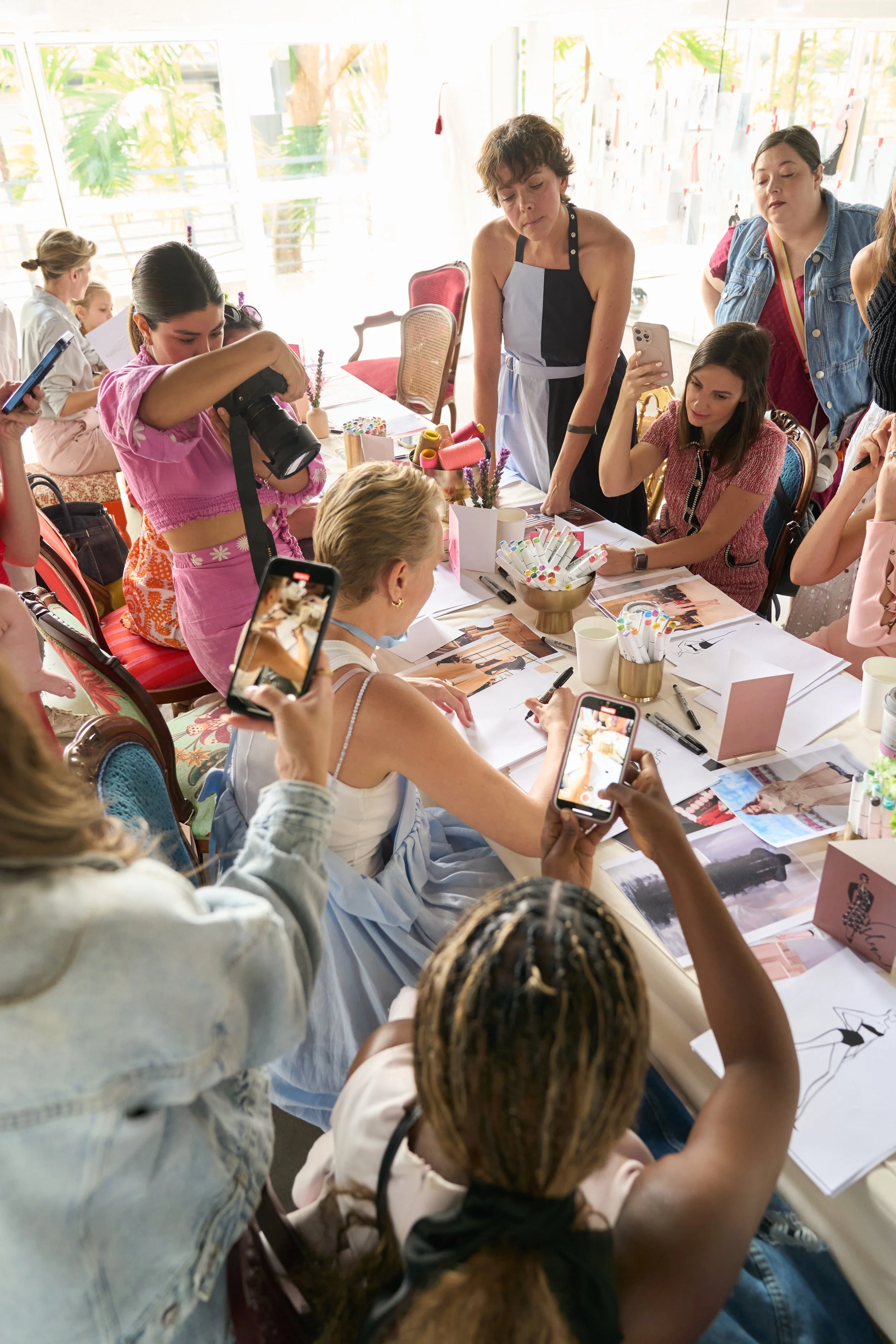
True connection doesn’t always need words. Sharing a quiet meal, sketching in a workshop, or walking together under the canopy of trees creates a sense of belonging that noise often drowns out.

Silence allows us to listen — not just to each other, but to ourselves and to the ecosystems that sustain us.

A New Model for Urban Wellbeing

As Miami’s Longevity District, Ironside is exploring what happens when calm becomes part of the urban design. In a time when cities grow louder and faster, silence becomes revolutionary — a resource for healing, creativity, and resilience.

Because wellness isn’t just about what we eat, or how we exercise. It’s also about the spaces that shape our nervous systems. And in those spaces, silence matters.

The Bottom Line

Silence is not a luxury. It’s a human need.

When we design cities with quiet spaces, we give people room to think, feel, recover, and belong. And in doing so, we plant the seeds for healthier, more human futures.

📍 Visit Miami’s Longevity District

📸 Follow us: LinkedIn | Pinterest | Instagram | Twitter

🔗 Learn more: www.miamiironside.com

What Happens to Your Brain When You Learn Something New?

At Miami Ironside, we believe longevity is not just about living longer — it’s about living sharper, fuller, and more connected.

In a world where our attention is constantly scattered, one of the most powerful things you can do for your mind might be surprisingly simple: learn something new.

Not for a promotion. Not for a grade. Not because you “have to.”

But because your brain thrives on novelty.

Just like your muscles need movement, your neurons need challenge. And the beauty is — you can train your brain at any age.

Learning as Brain Gym

Every time you acquire a new skill — whether it’s speaking a language, playing an instrument, or even tending to a pollinator garden — your brain forms fresh neural connections.

Scientists call this neuroplasticity: the brain’s ability to adapt, rewire, and grow stronger in response to new experiences.

At Miami Ironside, we see learning as part of a longevity lifestyle — right alongside nourishing food, regenerative environments, and human connection. Because growth isn’t just for children. It’s a lifelong practice.

The Health Benefits Go Beyond the Mind

Learning doesn’t just make you “smarter.”

It improves emotional resilience, boosts mood, and even supports physical health. Studies show that engaging in complex, stimulating activities can:

  • Delay cognitive decline

  • Improve memory retention

  • Lower stress and anxiety

  • Increase overall life satisfaction

And when you learn in an inspiring environment — surrounded by art, nature, and community — the effect multiplies. Your mind isn’t just absorbing information; it’s flourishing.

Miami Ironside as a Playground for the Mind

As Miami’s Longevity District, Ironside is more than a collection of buildings — it’s a living campus designed for curiosity and creativity.

Here, learning can happen anywhere:

In the café, over a conversation about seed-to-table cooking

In a sunlit studio, trying a new art technique

At a community event, listening to thought leaders share their craft

We believe that when you combine skill-building with a regenerative environment, you’re not just learning — you’re transforming.

The Bottom Line

A well-lived life is a well-learned life.

Your brain is designed for growth, and it never expires. The more you challenge it, the more it rewards you — with clarity, creativity, and joy.

At Miami Ironside, we invite you to see learning not as a task, but as a celebration of what your mind can do.

Because every new skill is a step toward a longer, richer, and more connected life.

📍 Visit Miami’s Longevity District

📸 Follow us: LinkedIn | Pinterest | Instagram | Twitter

🔗 Learn more: www.miamiironside.com

What if your environment is the reason you don’t feel well?

We often think of “the environment” as something distant — a rainforest on the other side of the world, melting glaciers, or coral reefs far beneath the ocean’s surface. But in truth, our environment is right here, around us. It’s the air we breathe, the ground we walk on, the buildings we inhabit, and the ecosystems we’re part of — whether we’re aware of them or not.

At Miami Ironside, we believe that climate health and human wellbeing are not separate conversations. They are deeply connected. The ecosystem isn’t just a backdrop — it’s a living system that shapes the way we feel, think, move, and exist. And when it’s out of balance, so are we.

The Link Between Ecosystem Health and Human Health

Ecosystems are complex, interdependent systems made up of soil, air, water, plants, animals, and microorganisms. Together, they regulate the climate, filter pollutants, maintain biodiversity, and support life. But as climate change accelerates and urban environments become increasingly artificial, we begin to experience the breakdown of these systems — not just on a planetary level, but on a deeply personal one.

Disrupted ecosystems often result in:

  • Poor air quality, which affects lung health and brain function

  • Heat islands caused by lack of vegetation, increasing stress and fatigue

  • Soil degradation, impacting food quality and nutrition

  • Biodiversity loss, reducing the resilience of nature and food systems

  • Noise pollution, which has been linked to anxiety and disrupted sleep

These aren’t abstract threats. They affect our everyday lives — our energy, our moods, our skin, our stress levels, our immunity. When the Earth is inflamed, we are too.

The Power of Regenerative Design

Most urban developments treat nature as an afterthought — something decorative, secondary. At Miami Ironside, we do the opposite. We see nature as an essential part of design — not just for aesthetics, but for healing.

Our campus was founded on the principles of adaptive reuse, regenerative landscaping, and ecological architecture. Every corner was created with the belief that spaces can support the ecosystem instead of draining it — and that these spaces can, in turn, support the people who use them.

Some of the features that reflect this philosophy include:

The Arboretum, a Miyawaki-style urban micro forest that increases biodiversity and reduces ambient heat Pollinator corridors, designed to attract and protect bees, butterflies, and birds vital to food security Open-air pathways and studios, promoting natural ventilation, movement, and sensory connection with nature Cultural preservation, including an original section of the Berlin Wall, reminding us that healing also requires remembering This approach doesn’t just reduce environmental impact — it creates positive impact. It regenerates soil, purifies air, invites biodiversity, and reduces urban stress. It creates space for creativity, connection, and vitality.

Living in Alignment With Nature

Wellness isn’t just something we practice in the gym or during a meditation session. It’s something that should be embedded into the places we live, work, and create. Studies show that environments rich in greenery and natural elements reduce cortisol levels, boost cognitive function, and even speed up healing processes.

When we spend time in regenerative spaces, our bodies respond — our breathing slows, our minds clear, and our systems recalibrate. In a world filled with noise and concrete, these spaces aren’t luxuries. They’re necessities.

At Miami Ironside, we aim to be part of the solution — not just by raising awareness, but by embodying the alternative. We show what’s possible when urban space is reimagined not just for function or form, but for life.

From Environment to Experience

Our goal is not only to offer a creative campus for artists, designers, architects, and entrepreneurs — but to be a living example of what regenerative urban life can look and feel like. Through events, installations, design studios, and wellness initiatives, Miami Ironside invites the community to experience the intersection between nature, creativity, and sustainability.

So when we ask, “What if your environment is the reason you don’t feel well?”, it’s not just a reflection — it’s a call to reimagine the spaces we move through every day. To demand better. To design differently. To heal from the ground up.

The Bottom Line

We are not separate from the ecosystem. We are an extension of it.

When it thrives, we thrive. When it collapses, we suffer.

By investing in regenerative design and living in harmony with the natural world, we aren’t just building a more sustainable future — we’re reclaiming our health, our joy, and our sense of belonging.