
How does the built environment shape future health?
We often think of wellness as something personal — shaped by our routines, our choices, our lifespan. But the truth emerging from environmental science, urban design, and epigenetics is far broader: the environments we create today will influence the biology, behavior, and resilience of future generations.
From the materials in our buildings to the airflow in our pathways, from greenery placement to culinary environments, design carries a long memory. It encodes health into space, shaping how future bodies breathe, focus, regulate stress, and experience daily life.
Design becomes inheritance — a form of wellness passed forward.
This shift changes everything. It reframes design from aesthetic preference to physiological architecture. It asks us to consider not only how we live, but how our choices will support or strain the people who will come after us.
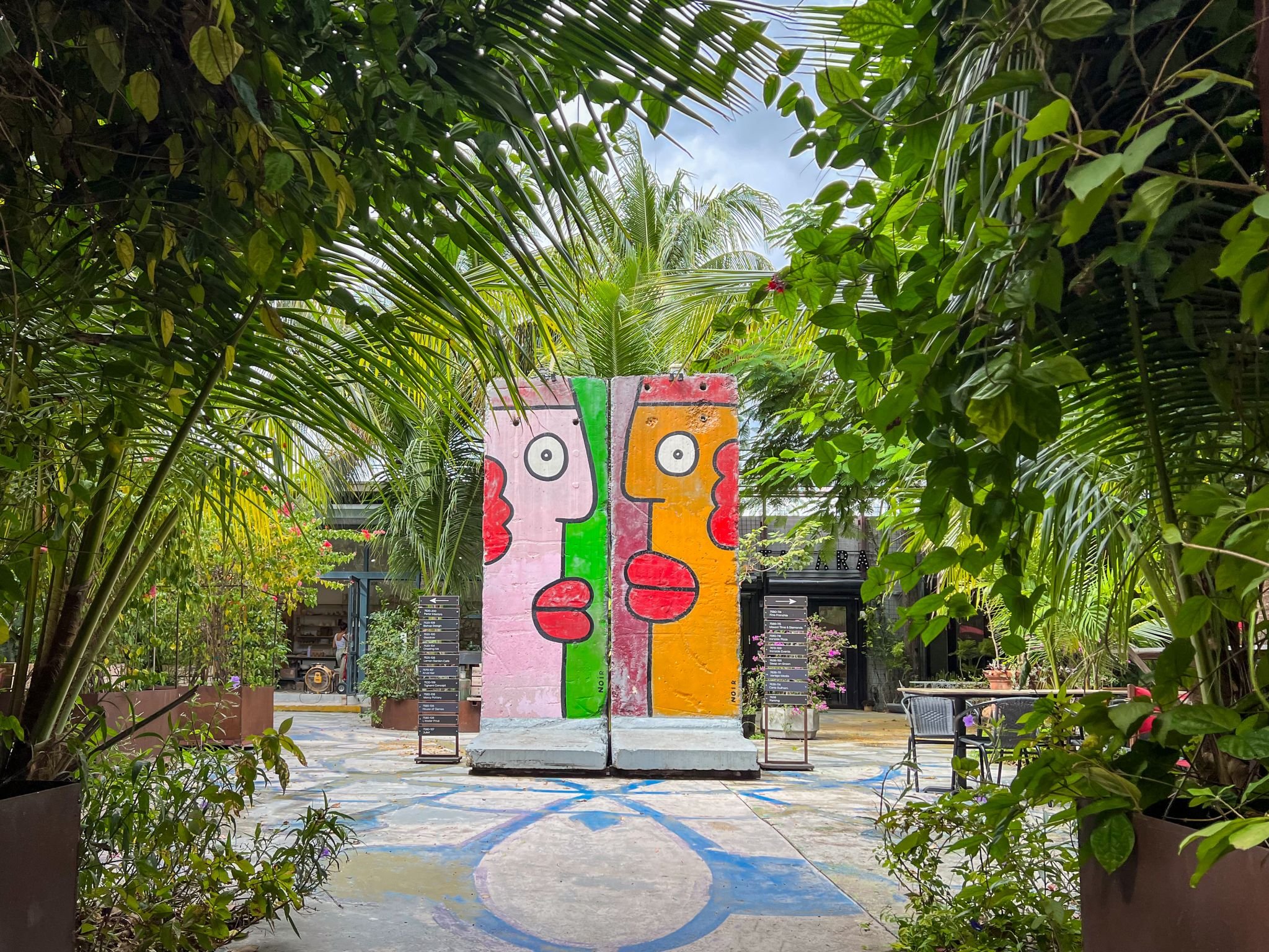
And districts like Miami Ironside’s Longevity District are beginning to operate from this perspective, weaving clean materials, open-air infrastructure, natural textures, and slow-movement corridors into environments meant to outlast a single lifetime.
But before design choices come the deeper questions:
How does the built environment shape future health?
What does wellness look like when expanded across generations?
The Biology of Design: How Today’s Spaces Shape Tomorrow’s Bodies
Environmental inputs accumulate over time. They shape the nervous system, the immune system, metabolic rhythms, and even the genetic expression passed from one generation to the next.
For example:
Low-VOC materials reduce toxic burden that compounds silently over decades.
Green spaces lower cortisol and stabilize emotional patterns that influence future resilience.
Open-air structures improve respiratory health and cognitive clarity.
Clean culinary environments reduce inflammatory load with long-term metabolic impact.
These influences are small, but their consistency is what makes them powerful.
Repeated throughout a lifetime, they shift biological baselines — not just momentary states.
Design becomes a multigenerational signal:
a steady environmental message that shapes how bodies adapt and thrive.
Stress, Space, and the Inherited Architecture of Daily Life
Chronic stress rarely comes from catastrophic events. It builds from the micro-stressors embedded in everyday environments: harsh lighting, poor airflow, toxic materials, cluttered sensory landscapes, and food environments that subtly overload the body.
We lose wellbeing not through crisis, but through accumulation.
Future-centered design reverses this pattern. Shade, greenery, texture, and open air reduce the body’s stress load. Calm walkways, natural acoustics, and toxin-free materials create micro-moments of regulation the nervous system can rely on.
These spaces tell the body it is safe — and a regulated body digests, repairs, learns, and ages more gracefully.
When this becomes the environmental baseline, entire communities benefit for generations.
Design as a Legacy of Wellness
We shape our environments, and then our environments shape us — and the people who come after us.
The materials chosen today become someone’s air tomorrow.
The culinary choices normalized today become someone’s metabolic inheritance.
The sensory rhythms built today become someone’s emotional foundation.
Design is not only functional.
It is generational.
At the Longevity District at Miami Ironside, this philosophy defines every decision — creating spaces that support not just current wellbeing, but the wellbeing of those who will one day walk the same pathways.
Because wellness is not only about the life we live.
It’s about the life we leave behind.
📍 Miami Ironside: The Longevity District
A creative and regenerative urban village where design, wellbeing, and sustainability converge.