

Miami's most sustainable venue was never built — it was saved.
When event planners search for miami sustainable venues, most results return conventional venues with a recycling programme bolted on. Miami Ironside is different because its sustainability is structural: the complex was preserved and reimagined rather than demolished. Every food tenant is held to clean-ingredient and local-sourcing standards, and eight distinct spaces on one campus can carry a multi-day summit from breakout to main stage. For Electric Vehicle Week Miami 2026 — or any gathering where the cause and the venue need to agree — that difference is the whole argument.
The short version
- Adaptive reuse architecture means the sustainability story starts before the first guest arrives — preserving the existing structure reduces construction waste from the outset.
- Eight spaces, 60–400 guests give a multi-day summit the range to run breakouts, keynotes, and evening activations on one campus.
- Every food tenant is held to a standard: no PFAS, no seed oils, no microwave — local sourcing, real cooking, nothing that contradicts the keynote.
- The campus is already the proof — the Daybreaker Worldwide Wellness Rave drew hundreds and was covered by World Red Eye; the Berlin Wall piazza communicates adaptive reuse without a word of signage.
Why the greenest venue is the one that already exists
Sustainability in events is usually measured from the day of the event forward: what gets recycled, how the catering is sourced, whether the signage is printed on FSC stock. That framing misses the largest variable entirely.
A new-build venue generates embodied carbon and material waste before a single guest RSVP's — in the concrete poured, the steel erected, the interior stripped and replaced. Preserving the structural bones of an existing building avoids all of it. Ironside's approach reduces construction waste at every turn: the existing structure represents embedded resources kept in use rather than cleared away.
The complex was preserved and reimagined rather than demolished — an industrial warehouse complex given new purpose without erasing what was already there. In the public piazza, original sections of the Berlin Wall painted by street art pioneer Thierry Noir stand permanently — a visitor sees adaptive reuse before reading a single word of signage.
Electric Vehicle Week 2026 deserves a venue that keeps pace with its values
EV Week brings together innovators, policy leaders, and conscious consumers around a shared conviction: that the choices made now about infrastructure and energy will define the decades ahead. That is not a message that tolerates a venue whose sustainability claim ends at the property line.
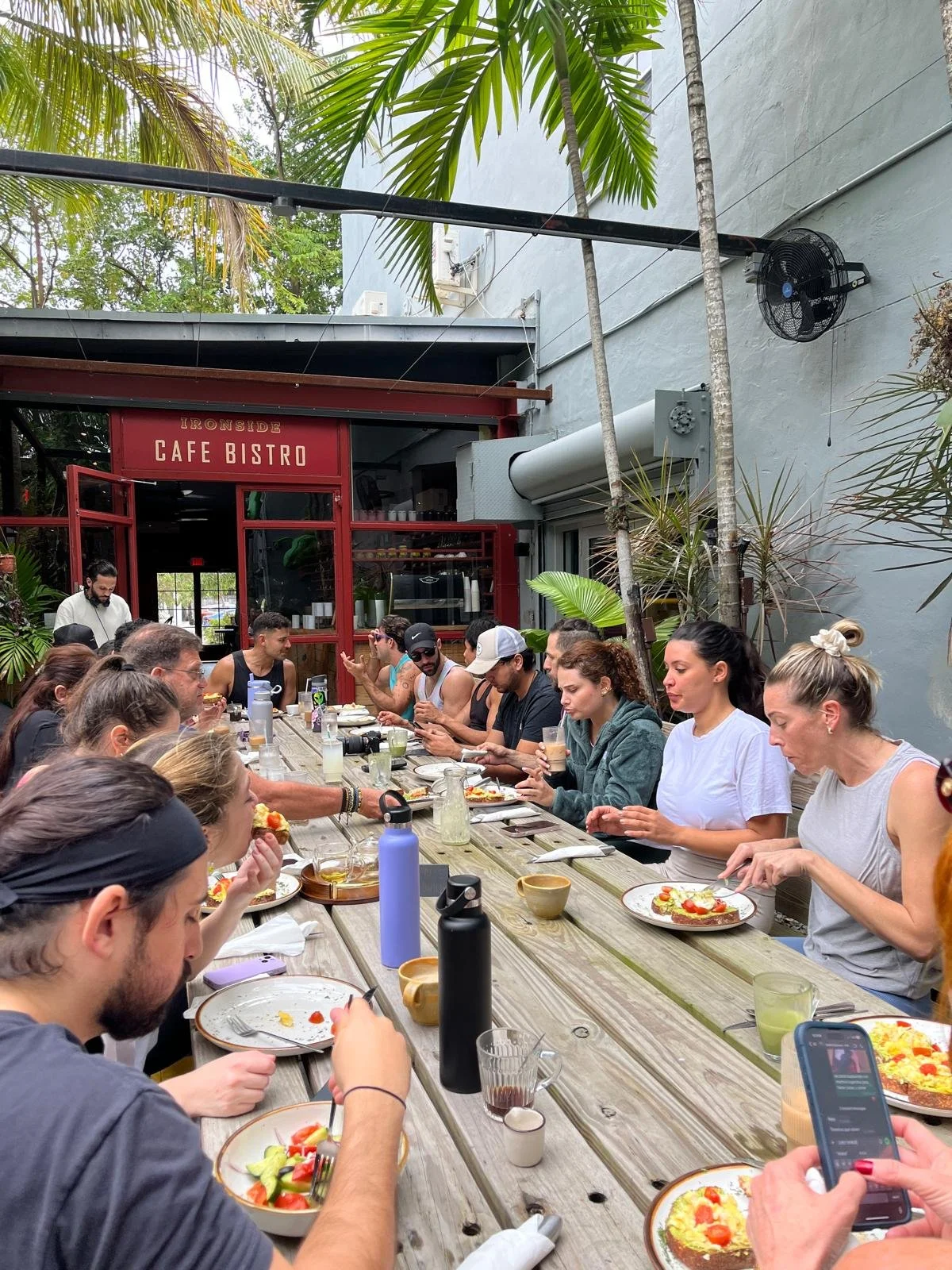
A campus where the architecture is adaptive reuse and every food tenant is held to clean-ingredient, local-sourcing standards does not just host that conversation — it extends it into every corner guests touch. The venue becomes part of the argument, not a backdrop to it. At Ironside, that commitment is visible in the structure itself — a preserved industrial complex where no PFAS, no seed oils, no microwave, and local sourcing are the tenant standard, so the lunch does not contradict the keynote.
According to the C40 Cities initiative, urban areas are responsible for over 70% of global emissions, yet they also hold the keys to solving the crisis. Ironside sits inside that argument — a complex where the buildings were saved rather than razed and the food tenant standard keeps the supply chain accountable.
Eight spaces, one coherent story
A multi-day summit has several kinds of moments: the intimate workshop where twenty people talk candidly, the keynote that needs to hold four hundred, the evening social that needs to feel like a reward rather than an extension of the working day. Splitting those moments across multiple venues fractures the experience.
Ironside's eight distinct spaces scale from 60 to 400 guests and sit on a single campus. A summit might open with a 60-person morning session in an intimate indoor room, scale to a 400-guest keynote on the main stage by midday, and close with an evening activation in the open-air piazza — all without leaving the campus or the ethos. The public piazza — anchored by the Berlin Wall installation — provides a distinctive outdoor setting for evening activations and open-air receptions. Breakouts, activations, and evening events all happen within one coherent place, without abandoning the character of the campus or handing the sustainability story to a venue that was never part of it.

What happens here when the cause is right
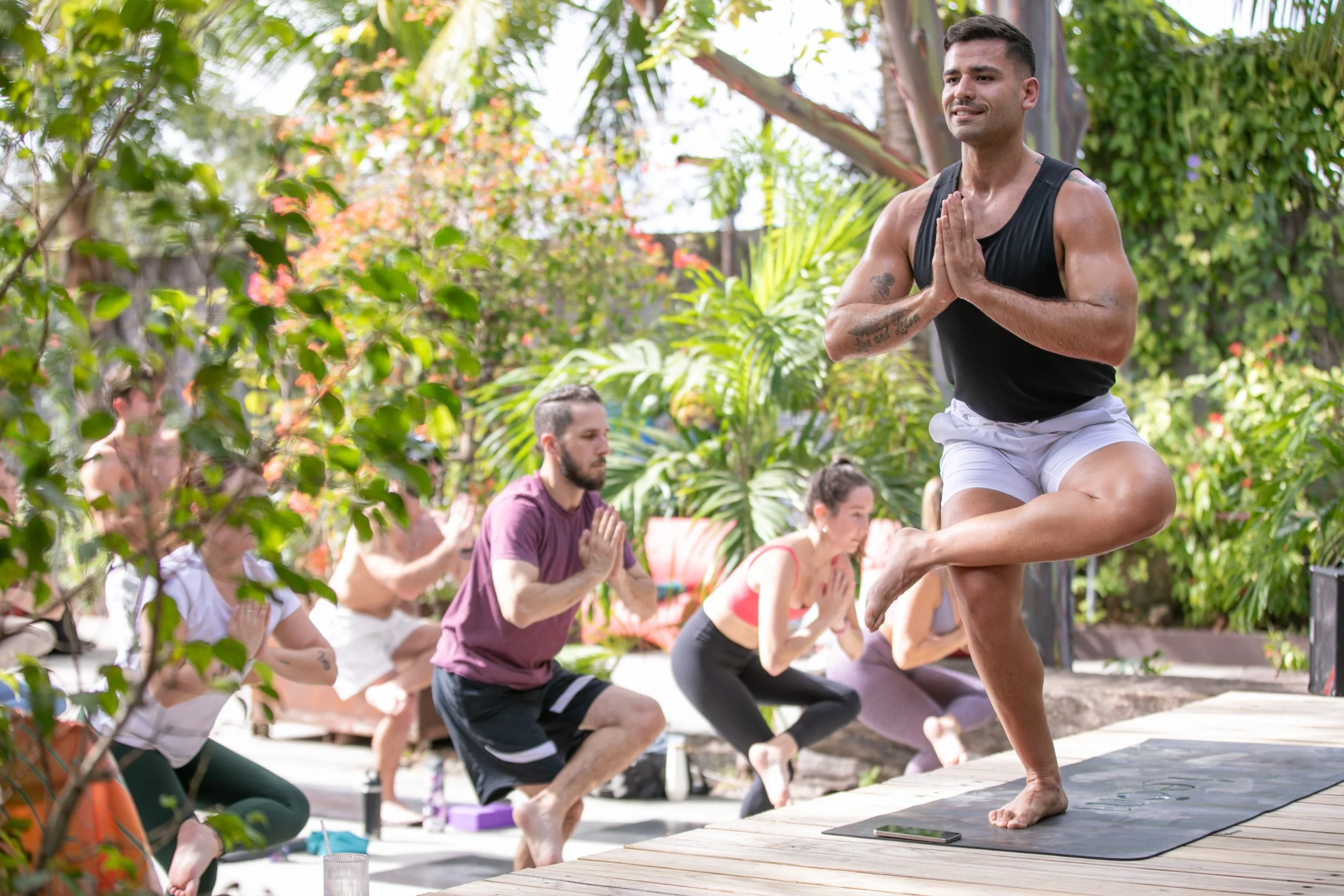
The Daybreaker Worldwide Wellness Rave chose Ironside. Hundreds gathered for yoga, breathwork, live performance, and dance — a global movement redefining what it means to gather with purpose, on a campus that matched the intention. World Red Eye covered it, and the campus held every format without the event losing coherence.
That event matters to an EV Week organiser because the campus has already absorbed a values-driven, movement-oriented gathering and produced results that earned press coverage. The Daybreaker event demonstrates that the logistical and atmospheric demands of large-scale, purposeful programming are something Ironside has already met.
Clean food is not a catering upgrade — it is a standard every tenant meets
The most visible contradiction at a sustainability summit is lunch. The keynote argues for a cleaner supply chain; the food served was assembled from ingredients with no traceable origin. Guests notice, even if they say nothing.
At Ironside, the food standard applies to every tenant on campus. No PFAS. No seed oils. No microwave. Every food operator is held to local sourcing, clean ingredients, and real cooking. One tenant describes it directly: a seed-oil-free, PFAS-free, and organic menu that embodies a lifestyle connecting human health to planetary health. That is not a catering note — it is the event's argument made edible. Every tenant — not just one featured café — is held to this standard, so there is no back-of-house exception that contradicts the event's message.
The problem with conventional Miami event venues and sustainability branding
Most Miami venues that describe themselves as sustainable added a recycling programme and updated their website. The building was constructed from new materials, and the food is catered from sources whose supply chains are opaque. The sustainability claim lives on the event planner's deck, not in the room.
A venue whose structure, supply chain, and tenant standards were not built around sustainability cannot carry a sustainability event's values through to the guest experience. The gap between what the signage says and what the room communicates is a credibility problem — and guests who came because they care about the cause will feel it.
The campus as context: art, history, and the long view
Original sections of the Berlin Wall — painted by street art pioneer Thierry Noir — stand permanently in the public piazza at Ironside. History repurposed, not erased. The sections are displayed where anyone on campus encounters them, making preservation visible without additional explanation.
That is what adaptive reuse looks like when it goes all the way: an industrial complex reimagined rather than cleared, where the story of what was kept is legible in what surrounds you. No additional signage required. The story is literally there.

Miami Ironside vs a conventional Miami event venue
| Miami Ironside | Conventional venue | |
|---|---|---|
| Building origin | Adaptive reuse — preserved and reimagined industrial complex | New construction; materials and fit-out sourced fresh |
| Food standard | No PFAS, no seed oils, no microwave — local sourcing, real cooking, applied to every tenant | Catering sourced externally; supply chain opaque |
| Space range | 8 spaces, 60–400 guests, one campus | Limited configurations; additional venues typically needed for multi-format programming |
| Sustainability claim | Structural — in the architecture, food tenant standards, and campus design | Programme-level — recycling, signage, and event-day initiatives |
| Resident community | Independent retail, wellness, slow-fashion designers, clean-food operators | No permanent tenant community; character is event-dependent |
| Public outdoor space | Piazza with permanent Berlin Wall installation by Thierry Noir | Generic outdoor area without permanent programming or identity |
| Movement-event track record | Daybreaker Worldwide Wellness Rave — hundreds of guests, World Red Eye coverage | Track record varies by individual event production |
What Ironside brings to a sustainability event
 Eight Event Spaces
60–400 guests, one campus. Breakouts, keynotes, activations, and evening socials without a second venue — and without leaving the campus or its ethos.
 Clean-Food Campus
No PFAS. No seed oils. No microwave. Every food tenant is held to local sourcing and real cooking — so what guests eat agrees with what the event argues.
Public Piazza & Berlin Wall InstallationA distinctive exterior gathering space where the adaptive-reuse story is visible in the walls themselves — no extra signage required.
How to decide if Ironside is the right venue for your event
- If your event needs its venue to match its values: Ironside's sustainability is structural — architecture, food tenant standards, and campus design — not a programme layered on top of a conventional space.
- If you need breakouts and keynotes under one roof: eight spaces on one campus, 60 to 400 guests, no second location required.
- If you want the food to reinforce the message rather than contradict it: every food operator on campus is held to clean-ingredient, local-sourcing standards — no PFAS, no seed oils, no microwave.
- If you need proof the campus can hold a large-scale, values-driven event: the Daybreaker Worldwide Wellness Rave did exactly that, and World Red Eye was there to cover it.
- If you want a distinctive outdoor activation space: the piazza with permanent Berlin Wall sections provides a setting that is photographable, historically resonant, and communicates adaptive reuse without a word of copy.
- If your guests include practitioners, designers, or community members already living sustainability: the resident community at Ironside — including slow-fashion designers and wellness practitioners — are already here when your attendees arrive.
Questions people ask
What makes Miami Ironside a sustainable venue rather than just a venue with sustainable branding?
The sustainability is structural, not cosmetic. The complex was preserved and reimagined rather than demolished, reducing construction waste at every turn — the existing structure represents embedded resources kept in use rather than cleared away. Every food tenant is held to clean-ingredient, local-sourcing standards — no PFAS, no seed oils, no microwave — so the commitment shows up in what guests actually eat, not just in the event signage. Every tenant — not just one featured café — is held to this standard, so there is no back-of-house exception that contradicts the event's message.
Can Ironside handle a multi-day summit like Electric Vehicle Week with different session sizes?
Yes. Eight distinct spaces on a single campus scale from 60 to 400 guests, making it practical to run breakout workshops, keynote sessions, activations, and evening socials without moving attendees to a second location or shifting to a venue whose character doesn't match the event. A full day of programming — from an intimate morning session to a main-stage keynote to an evening activation in the open-air piazza — stays on one campus and inside one coherent story.
Has Ironside hosted large-scale wellness or movement-driven events before?
The Daybreaker Worldwide Wellness Rave — a global movement combining yoga, breathwork, live performance, and dance — chose Ironside and drew hundreds of guests. World Red Eye covered it as an example of purposeful gathering done right. That event demonstrates that the campus has already absorbed the logistical and atmospheric demands of a large-scale, values-driven event and earned media coverage for the results.
How does adaptive reuse actually reduce environmental impact compared to a new venue build?
Preserving the structural bones of an existing building avoids the embodied carbon and material waste generated when a new facility is constructed from the ground up. When a building is demolished, the materials that represent the energy and resources consumed in their original construction become debris. Keeping the structure in use avoids that loss entirely — Ironside's approach reduces construction waste at every turn, because the building's environmental cost was already paid.
Is the sustainability focus only on the venue, or does it extend to the businesses on campus?
It extends throughout the campus. Food operators are held to a higher standard covering sourcing and ingredients — no PFAS, no seed oils, and no microwave — with local sourcing and real cooking required. The campus also hosts practitioners including slow-fashion designers whose work is built around longevity over trend, whose everyday presence means the values of the campus are lived continuously, not only expressed during events. When your guests arrive, they are arriving into a community that already holds those commitments.
Electric Vehicle Week 2026 starts with the venue. Talk to Miami Ironside about your dates and configuration.
Inquire About Your Event Explore the Campus